Introduction:
To become a journalist, you can no longer just specialise in one area; you have to have a basic understanding of every department including photography. Photography is becoming a huge part of journalism, specifically in sport, and it is important that you learn and understand the concepts and skills needed to succeed.
On this module of the course, the aim is to learn all the basic skills and technologies that are needed in the practice of sports journalism and photojournalism. We will develop our current skills as well as gain new ones therefore when we are set tasks, we will be able to identify what is required for specific photographic practices. Some of the skills and technologies we will learn on this module include using a DSLR camera and learning how to take portrait images.
I hope this module can help be develop all my skills that I already have in photography therefore I can stand out from the rest when I peruse a career in sports journalism.
ISO, Aperture, Shutter Speed:
Aperture is the amount of light you let into the lens of a camera. The hole in the camera can be adjusted to increase or decrease the aperture. The higher the aperture, the more light comes in resulting in a brighter photograph while the lower the aperture, the less light comes in resulting in a darker image. Increasing or decreasing the aperture can also affect the depth of field of a photograph. The image below demonstrates how aperture works.

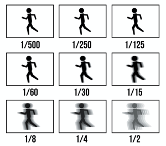
Shutter speed is the length of time the camera shutter is open when taking a photograph. The longer the shutter is open the more light comes in making the photograph lighter. A long shutter speed can also result in motion blur which can be effective for photographs on fast paced sport likes motor racing as it creates a sense of speed and motion. A fast shutter speed allows you to freeze motion in a photograph. Fast shutter speeds are typically used in sport photography and landscape images as they capture the motion while keeping everything sharp. Below shows the effect of different shutter speeds.
ISO measures the sensitivity of the image sensor in a camera. It is measured using numbers and the higher the number the more sensitive the sensor is to light which allows you to use your camera in darker situations. The consequence of this is the final image will be grainy. You would mostly use a higher ISO when taking images of sport that is taking place indoors. Below is an image that compares an image with a low ISO and a high ISO.

Phone Workshop:
One of the first tasks we were given on this module was to take portrait images using our camera phones. We learned that the quality of the cameras on our phones could compete equally with the quality of certain professional cameras, sometimes even better. After looking at different examples of photography taken by camera phones, we were instructed to go out and take photos of our own showing some of the techniques used in these photos. The key elements we had to consider when taking photos included the lighting and the simplicity of the photo.
Below are some of the photos I took using my iPhone:
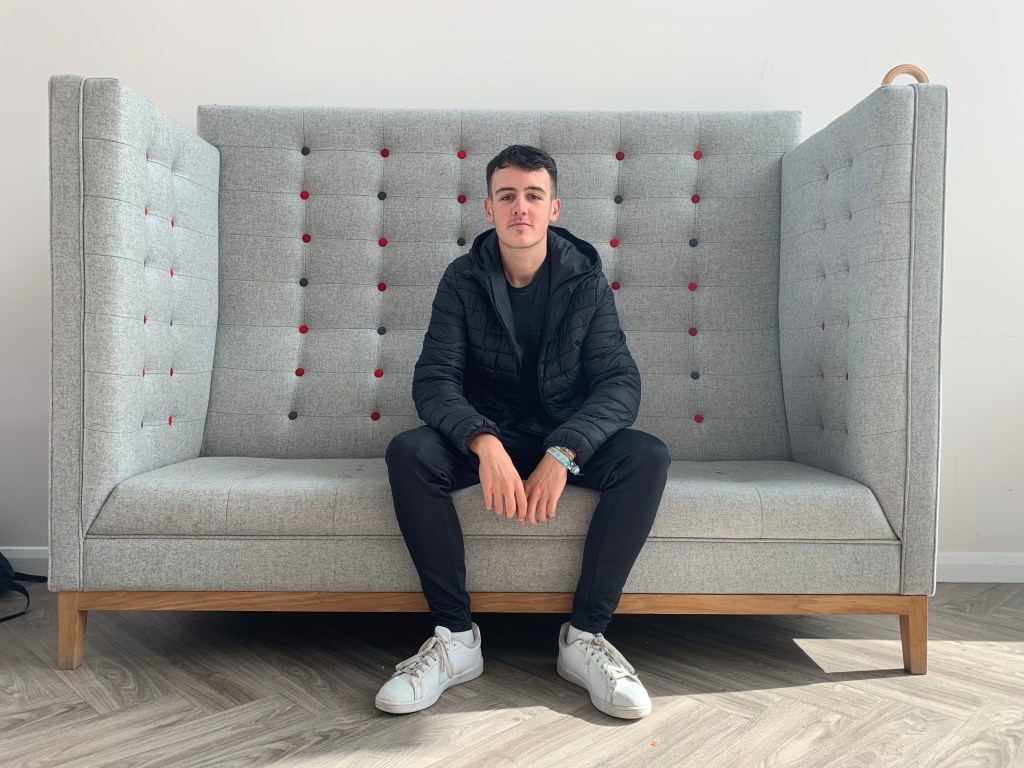
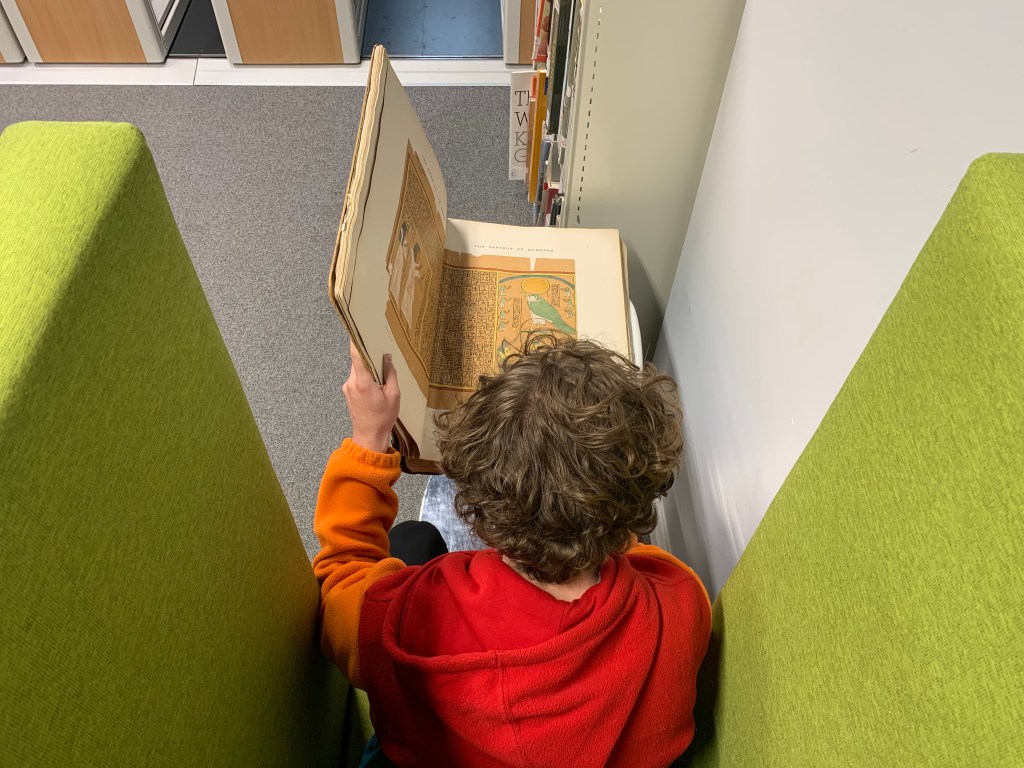

I like these photos I have taken because they are simple but so effective. When taking these photos, I wanted to experiment with different angles and different lighting. I feel these elements can change a standard photograph into a great piece of photography.
For the first picture, I asked my model to sit simply on the big chair facing towards the camera. I then moved any unnecessary objects around the model and chair therefore all you could see on the photo was the model sitting down. Finally, I kneeled down slightly therefore I could create a sense of power towards the main subject. This image is so basic, but I feel it is so effective and could be used in many pieces of work. I will certainly use this type of shot again in my future work.
For the second image, I decided to do something different. I wanted to take an image from a high angle looking down at the subject. I thought this was a unique way of showing something in a different perspective. To do this, I asked my subject to sit in a chair and look at a book while I stood on another chair behind him to take the image from above. I feel the image that came out is really good as it shows a whole new perspective of something simple. Again, I will certainly use this technique in my future work.
Finally, for the last image I decided to go really basic and take a portrait of my main subject. Instead of your standard portrait I decided to tilt the camera on angle therefore you could see another perspective. I really like this simple angle change as I feel it improves it massively. As well as changing the angle, I decided to experiment with the depth of field of my portrait. I wanted my subject to be the main focus, so I blurred out the background. I really like this effect as it gives the subject some importance and helps the audience instantly look at him. I feel I will use this technique a lot during the year and I am looking forward to perfecting it after multiple experiments.
After taking these pictures, we uploaded them to the free app called ‘Snapseed’ where we could edit. I feel ‘Snapseed’ is a good app that can help improve and tweak a picture, but I do not think we should use it in great amount as it can completely change the meaning of the photo and how people perceive it.
Having completed this task, I now believe I can create high quality pieces of photography by just using a smart phone. I am really intrigued and looking forward to taking photos on my phone of sport action in the coming weeks. I feel by doing this I can open up another door in my studies which will certainly help me in my pursuit of a career in sports journalism.
Images From Book:
Another task we were given during the first few weeks was to go into the university library and find books that showed different examples of sports photography. After taking some time looking through the library, we finally stumbled upon the section dedicated to sports photography. Whilst having a flick through the books we were instructed to take pictures of some images taken by sports photographers therefore we could upload them to our journals, where we would discuss about them in more detail.
Below are a couple of books I looked through and some images I found in them that I thought were interesting.
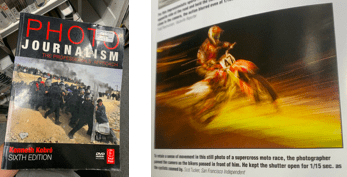
This image was taken by Scott Tucker, a journalist for the ‘San Francisco Independent’, and it shows someone on a bike competing in a supercross moto race. I really like this photo because of the way it is shot as I believe it gives the audience a unique insight into the event. To shoot this, the photographer has panned on the biker whilst having a slow shutter speed. By doing this the overall picture comes out with the biker in focus and the rest of the image blurred. I really like this effect as I feel it shows the intensity and speed of the race in one particular moment.
When I begin taking photographs of sport action I will certainly like to try and replicate this type of image as I find it very unique. I feel it will be very good to experiment this technique with other fast paced sports therefore I can see if the same effect comes out of it. Finally, I also hope this can help inspire me to come up and experiment with other techniques that I feel would look good for certain sports.
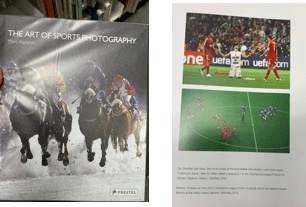
These images were taken by Marc Aspland and they both show a Champions League final being won and lost. I really like these images as they show two sides of a story. I feel these images offer so much content that it would be great to write a story with them as you could take the story either way. Another great aspect of these images is the fact they are so simplistic. These photos do not have an effect on them, and the camera has not been altered with, it is simply one shot that speaks a thousand words. It might sound easy, but I feel this technique will be hard to replicate with the same effect. Despite this however I am confident in my ability and I am really looking forward in trying out this technique when taking photos of different sports.
DSLR Workshop:
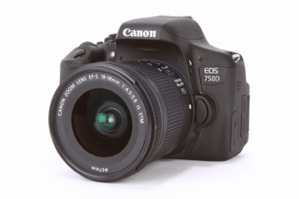
As we are going to take images throughout the year on this course, we first had to be given an induction on how to use on a DSLR Camera. I previously had experience using this camera during school and college, so I was pretty confident during the induction. The induction was nice as I could refresh my memory on how to use the camera. The induction also taught me some new aspects on the camera that I was unaware off before. Some of the areas we covered include shutter speeds, ISO, aperture, video and much more. When we start going out to take photographs in the next few weeks, I will be very confident in my ability using the camera especially with the previous experience I already have. I will certainly continue to learn more about these cameras as time goes on and this will help me massively in my aim to become a sports journalist. Finally, as we have completed our induction on using these cameras, I am really looking forward to using the higher end cameras with the huge lenses as these are the types of cameras many photographers and sports journalist use in the professional world.
Photoshop Workshop:

Another workshop we had to take was to learn how to use the Adobe programme Photoshop. On Photoshop you can edit, change and digitally manipulate photographs to your desired outcome. I have been using Photoshop for 5 years now, so I had a lot of previous experience. A lot of what we were shown in the workshop was tools that I already knew how to use, but there were also other aspects that I was first introduced to.
After the learning the basics, we were all given an image that needed tweaking on Photoshop. Our lectures went into detail on how to edit the image to make it better. Some of the tools we adjusted on the image included the levels, saturation and exposure. It was good to see how these little changes could transform an image and make it better.
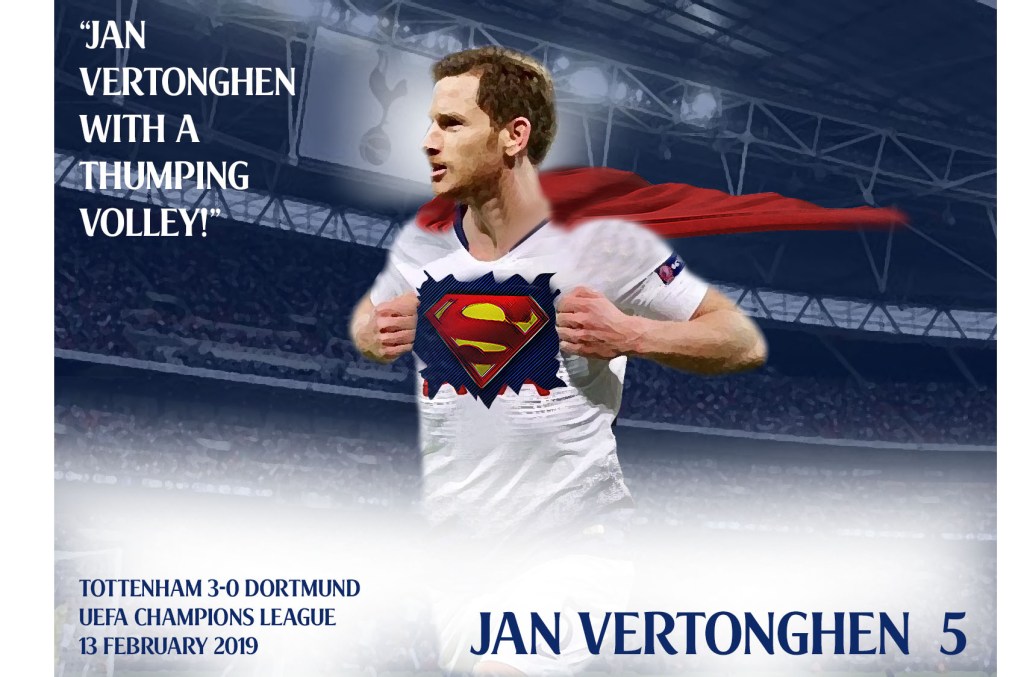
I really enjoyed this workshop as it gave me a chance to refresh my skills on Photoshop but also to get more confident using new tools. As I said back in college, I want to continue using photoshop and would like to start creating artworks as I would like to use them as part of my portfolio. Below is an example of a edit I have come up with.
Portrait Images:
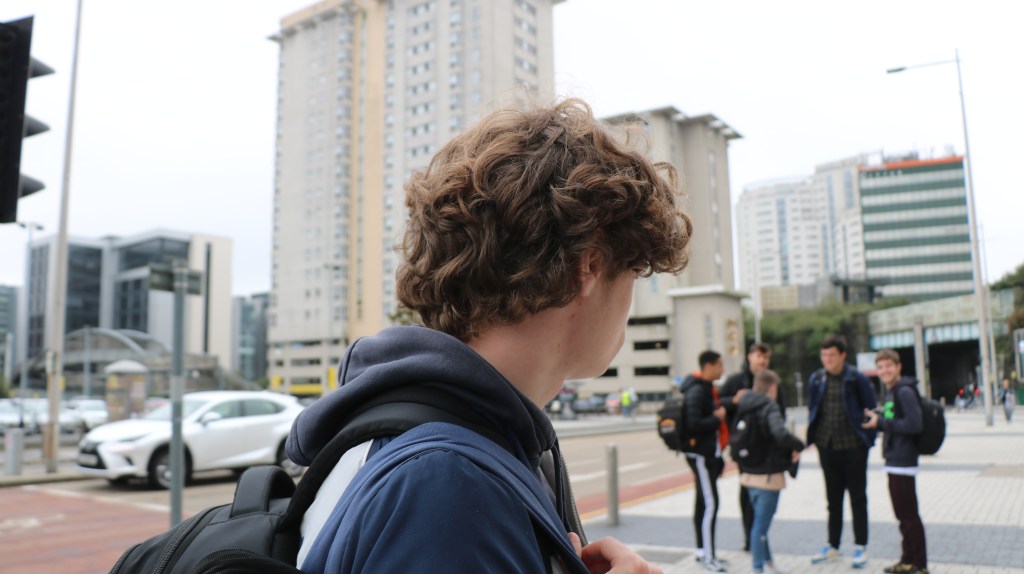
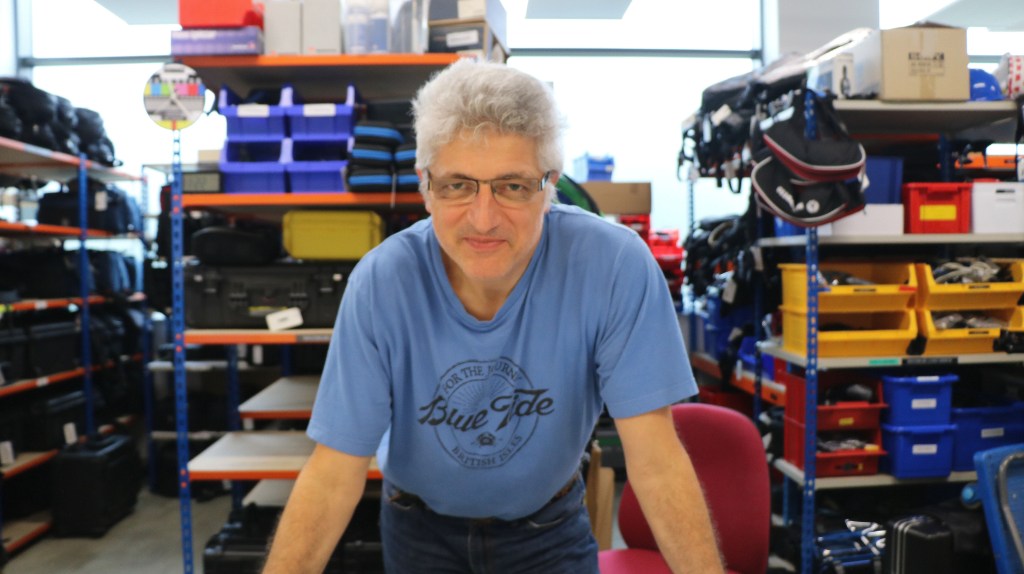
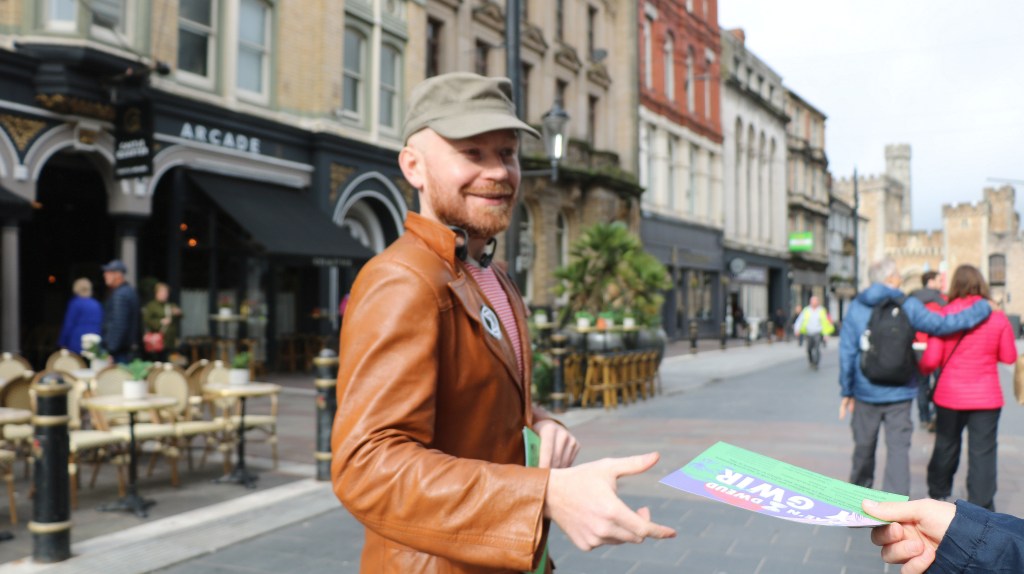
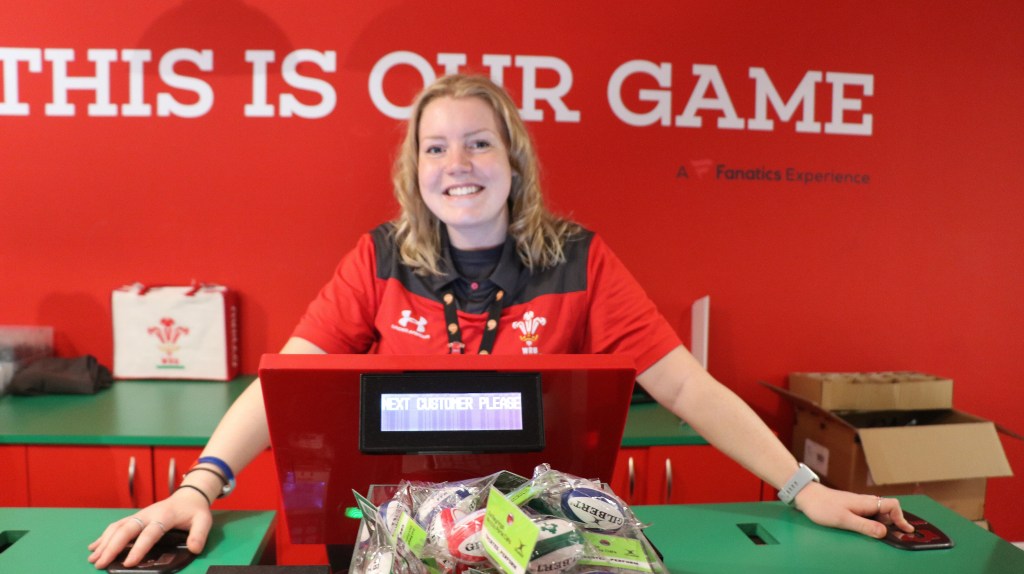
In a lesson, we were introduced to portrait images and learned how to take them. What I find fascinating about portrait images is the fact they are simple photographs but can be so effective. Portrait images are also very easy to do, and they can be taken by literally everyone with a camera. The important aspect of a portrait image is that the subject in the frame is not linear. If the subject is linear in the frame, the eye of the viewer instantly goes off the page whereas if they subject is shaped then the viewers eyes will flow across the image.
After viewing examples and understanding why, we were then given the task to go out into the city centre and take portrait images of people at work or in play. The one condition of this task was the fact the people in our images could not people we knew. This required us to go up to people and ask them for their permission. At first, we all were a bit cautious about the task but soon realised how valuable it could be for experience in the journalism industry. After spending some time taking images, we then uploaded these images to Photoshop to make any little adjustments that we needed. Finally, we handed these images to our lecturer, who assessed them and gave us constructive feedback. The feedback I received was that my photos were great because they followed the basic conventions of portrait images but were let down because they were slightly blurry. In defence of my images, the camera I was using was quite old and was potentially faulty as it could not focus properly on any subject.
Overall, I really enjoyed learning about portrait images as I feel they are photos that I will take a lot in my career. I feel it is important to be skilled using a camera when aspiring to be a journalist and if I can gain new skills over these 3 years on the course then I will be at an advantage over other aspiring journalists when I first start breaking into the industry.
8 Images Assessment:
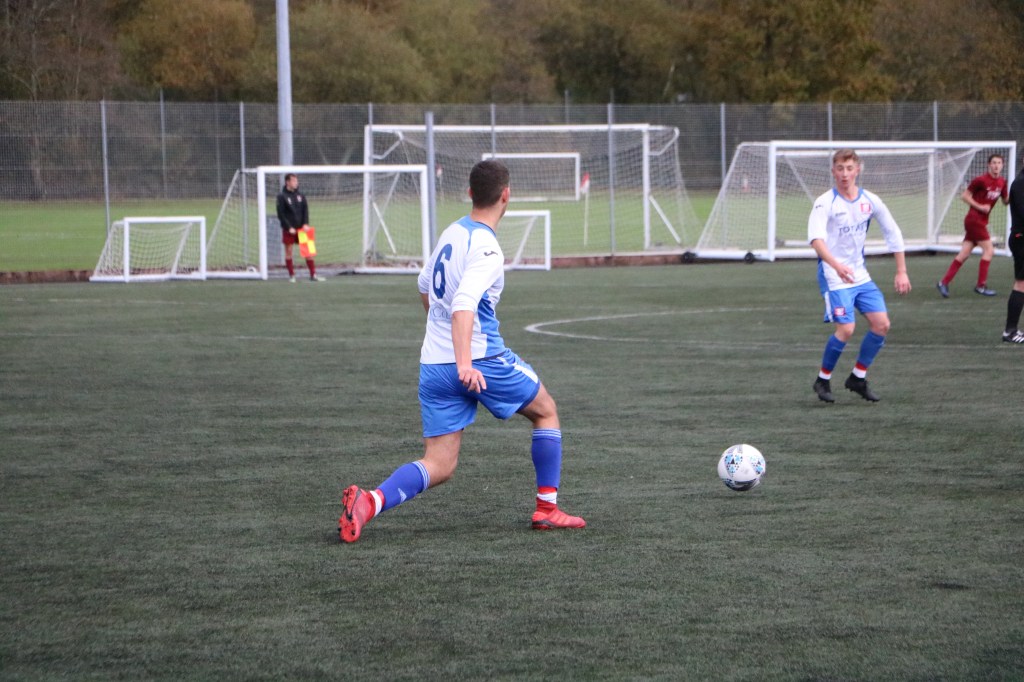
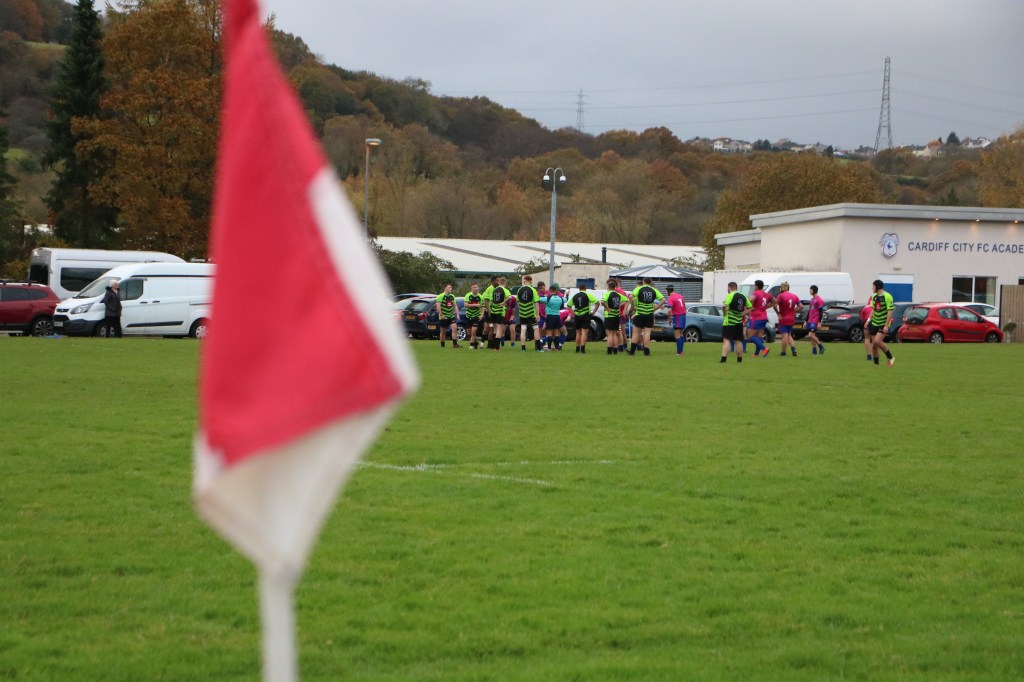
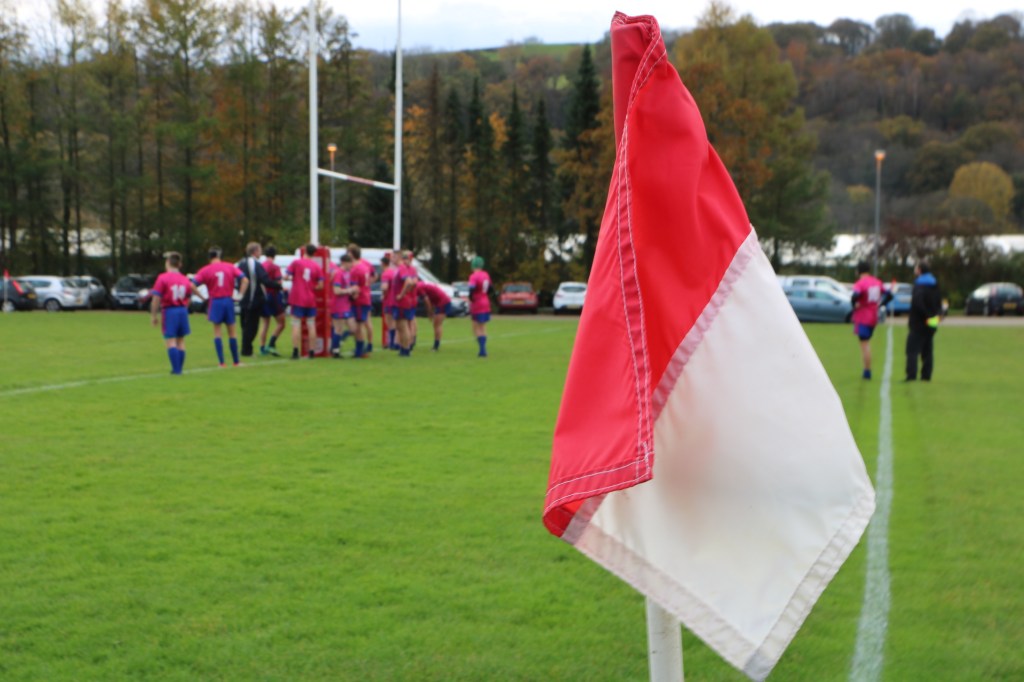
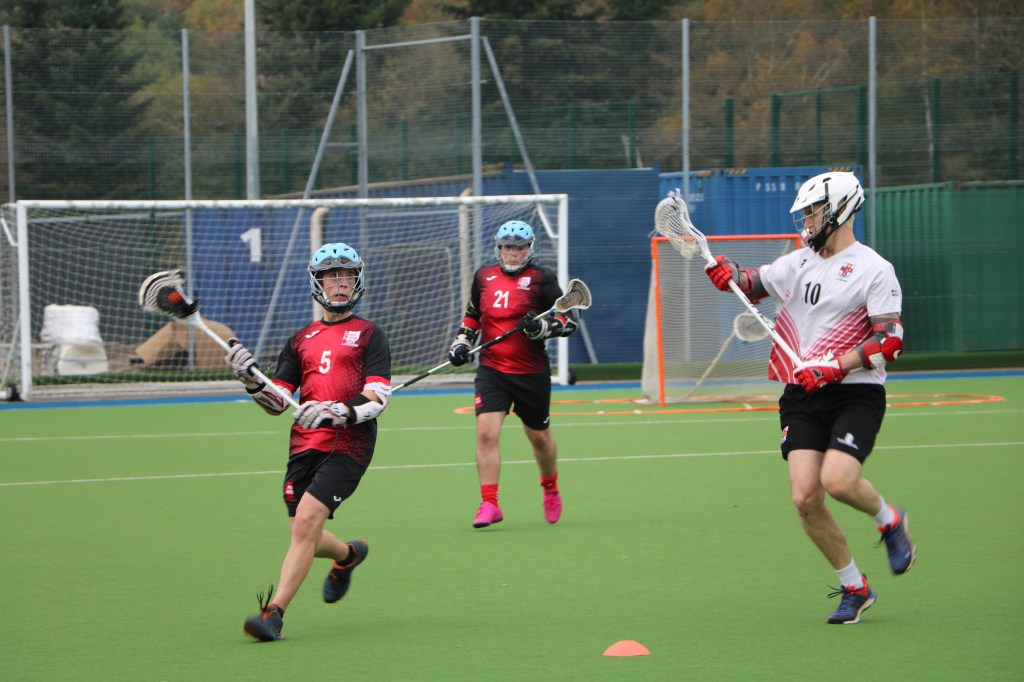
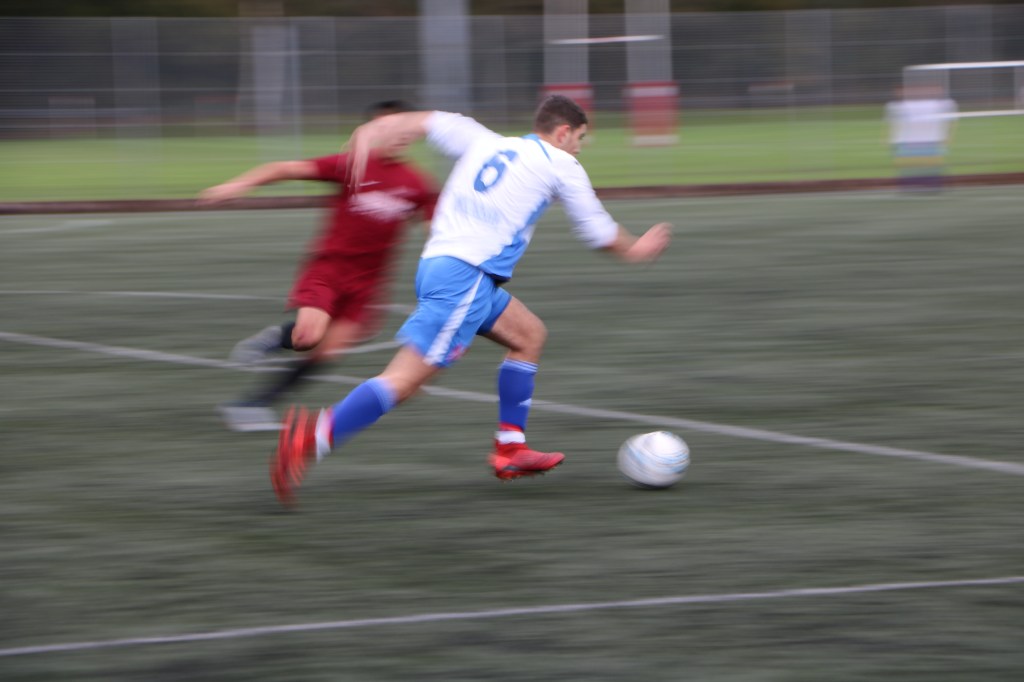
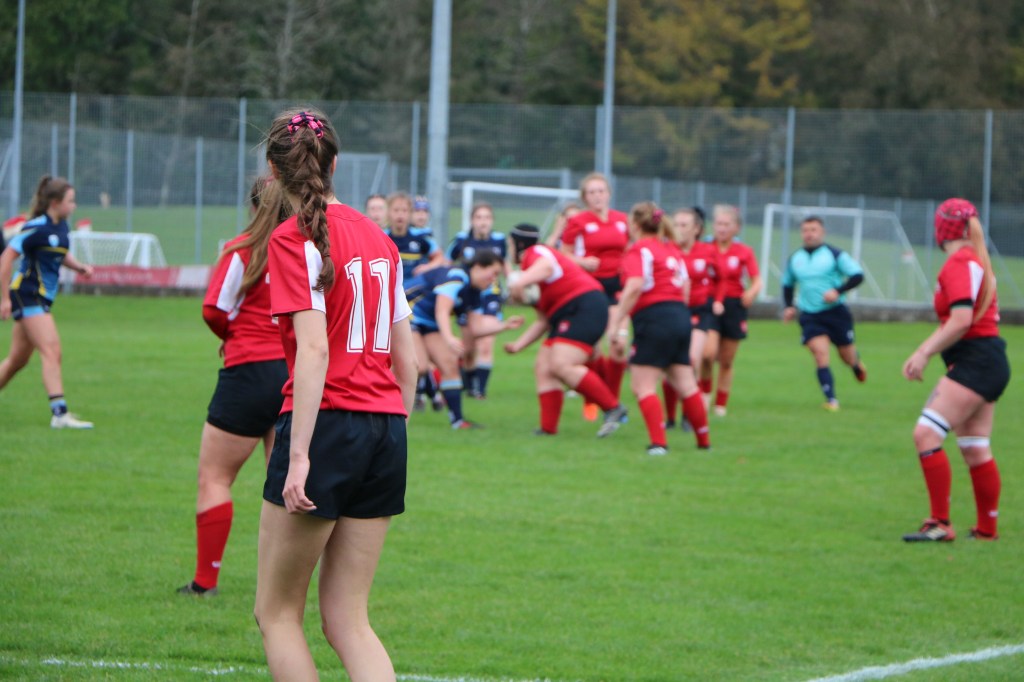
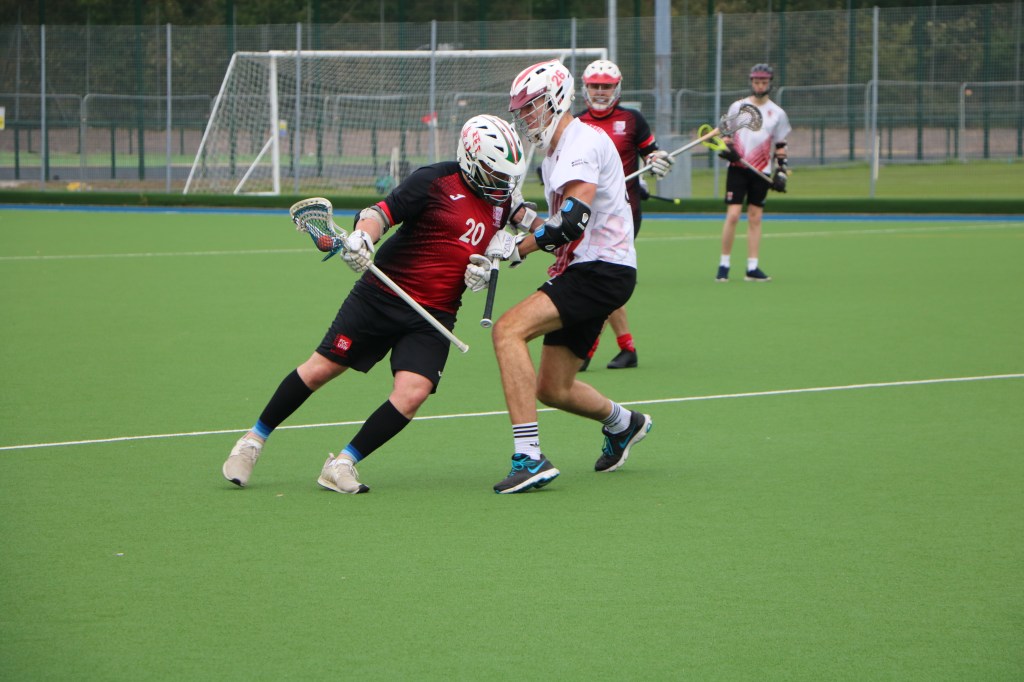
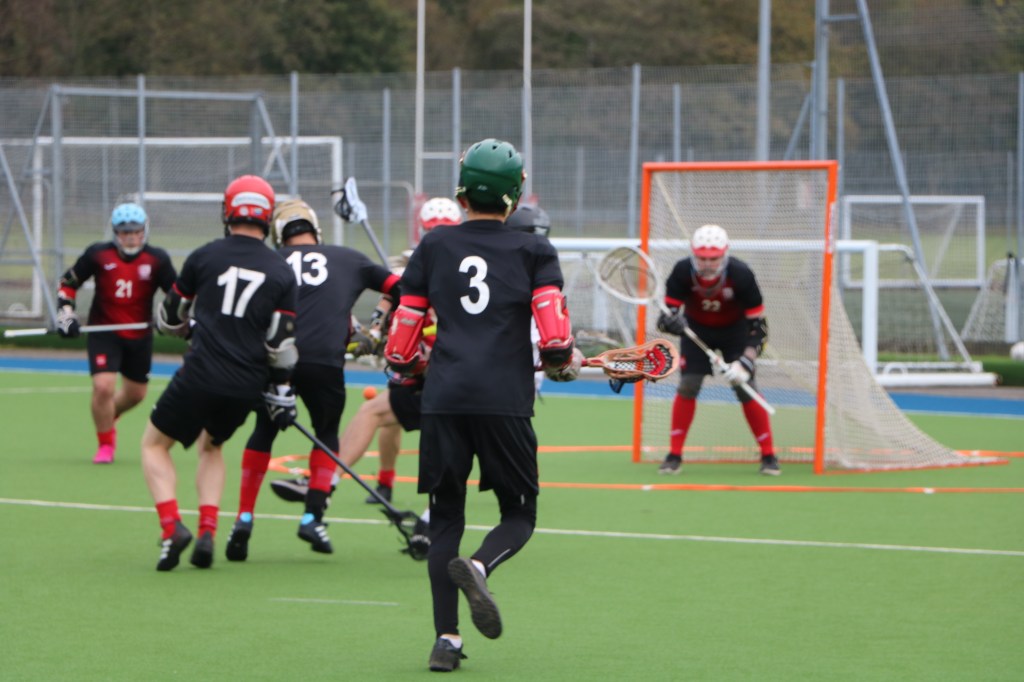
These are the images I submitted for my assessment. Over the past few weeks we were set the task to take at least 8 images of sport that show these techniques: a deep depth of field, a shallow depth of field, a fast shutter speed and a slow shutter speed. All these images I believe are good examples of the techniques that we were set to capture. When I first started out taking these images, I was a bit unsure on whether I was doing it right but after a few practices I started notice the photographs I was taking was similar to examples shown to me of the techniques. This allowed me to be confident and because of this I began to understand more clearly what settings were needed to be set on the camera to take these images. Having learnt how to take images showing these techniques, I will certainly take them again as they are significantly better than my previous photographs. I feels I still have more room to improve but I feel this will come through taking more photographs and I will certainly do this especially at the USW Sport Park.
Flash Gun Workshop:
In a lecture we were taught about flash guns and how to use them when taking portrait images. Flash guns are very useful when the lighting is very poor during a photography shoot. You can create very good professional like effects simply using flash guns and that is why I like them a lot. Below are some of the examples of the photos I took whilst using a flash gun.
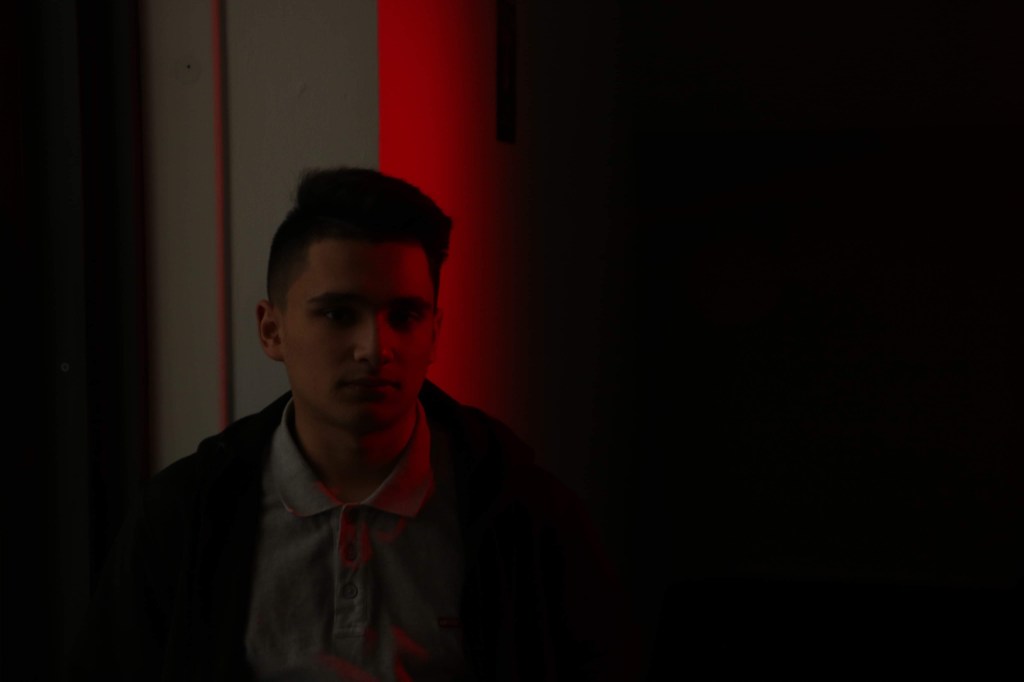
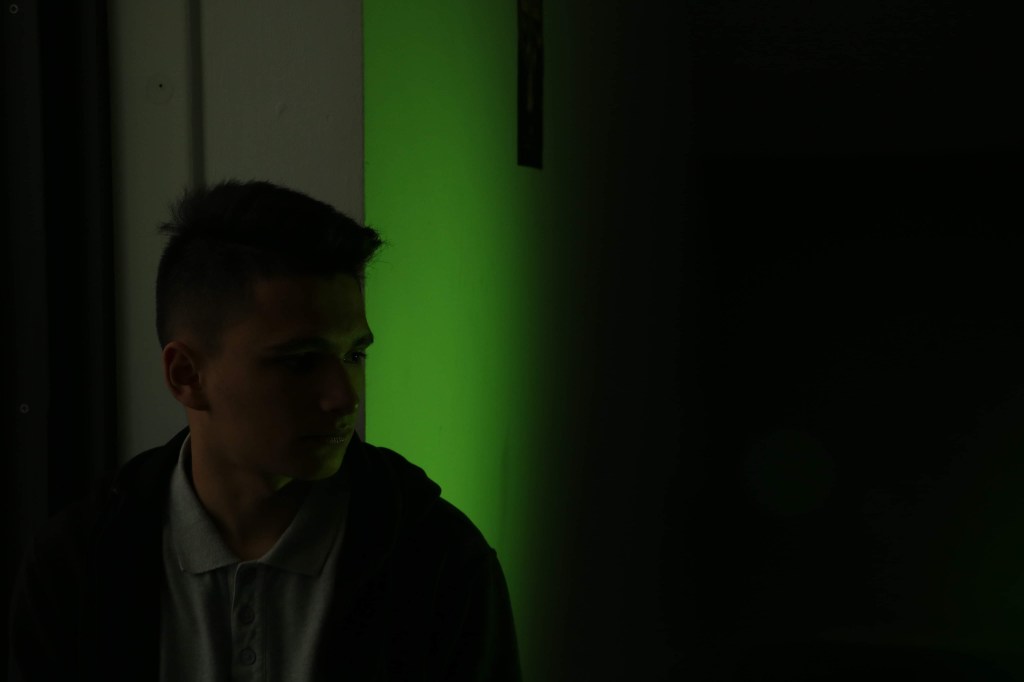
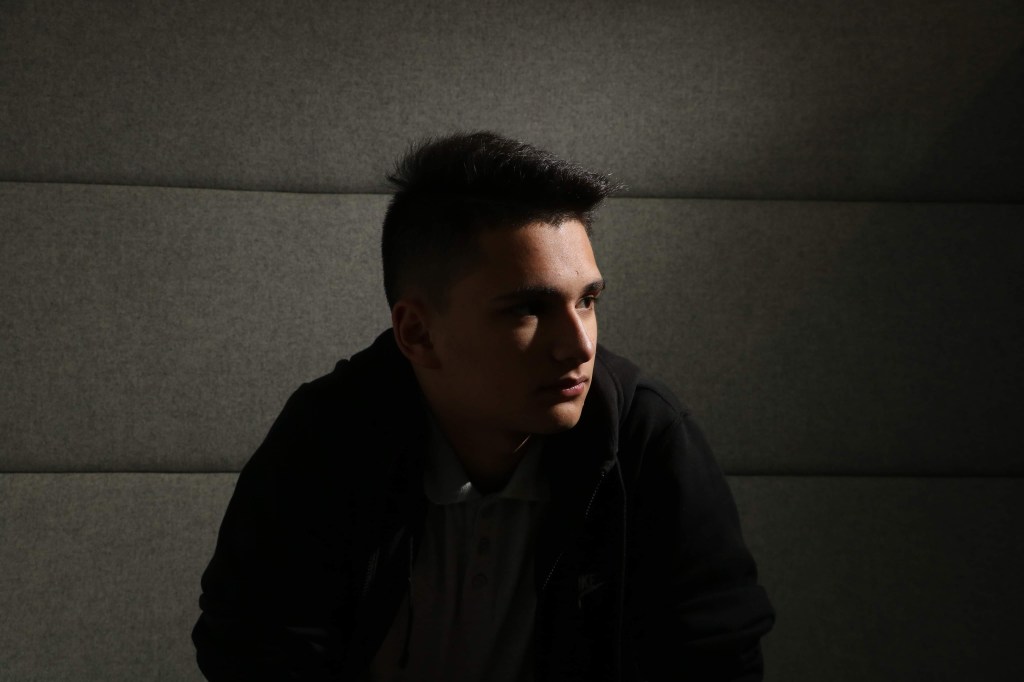
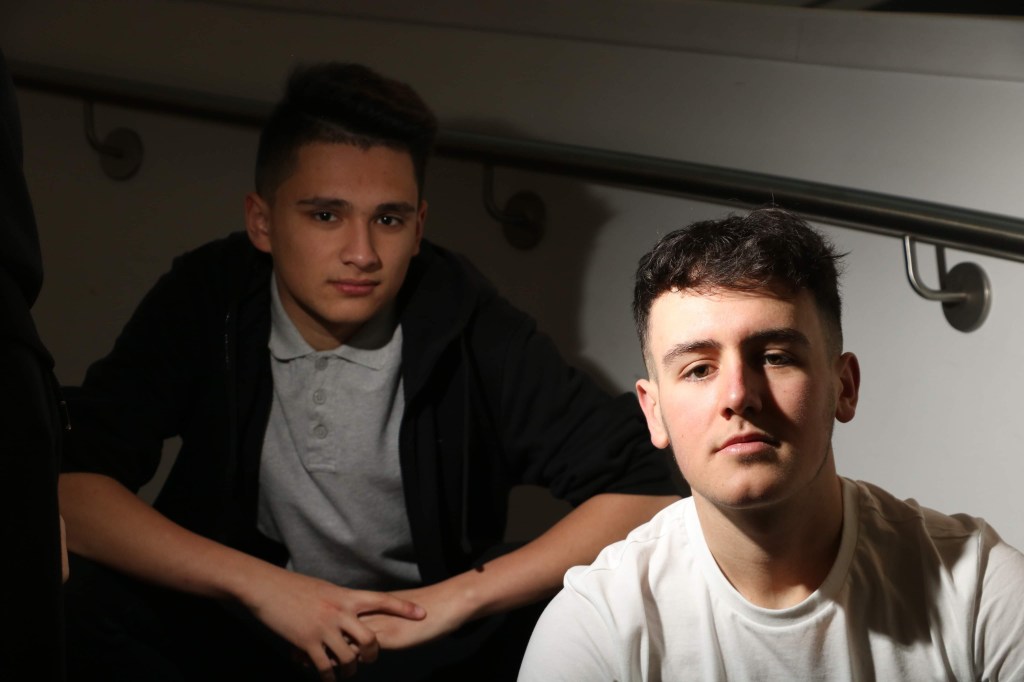
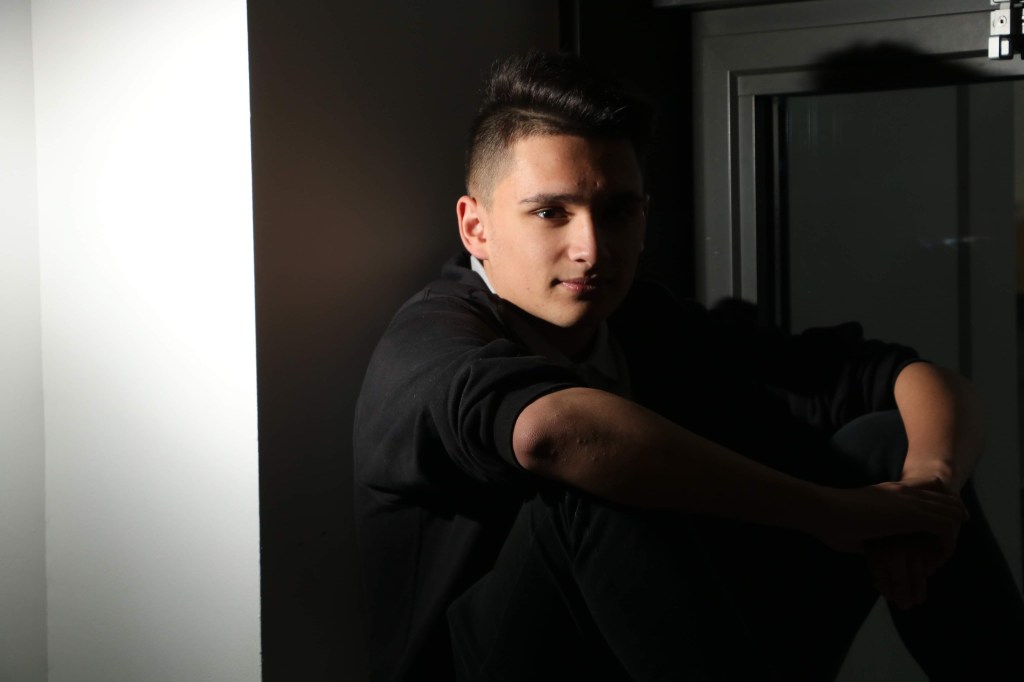
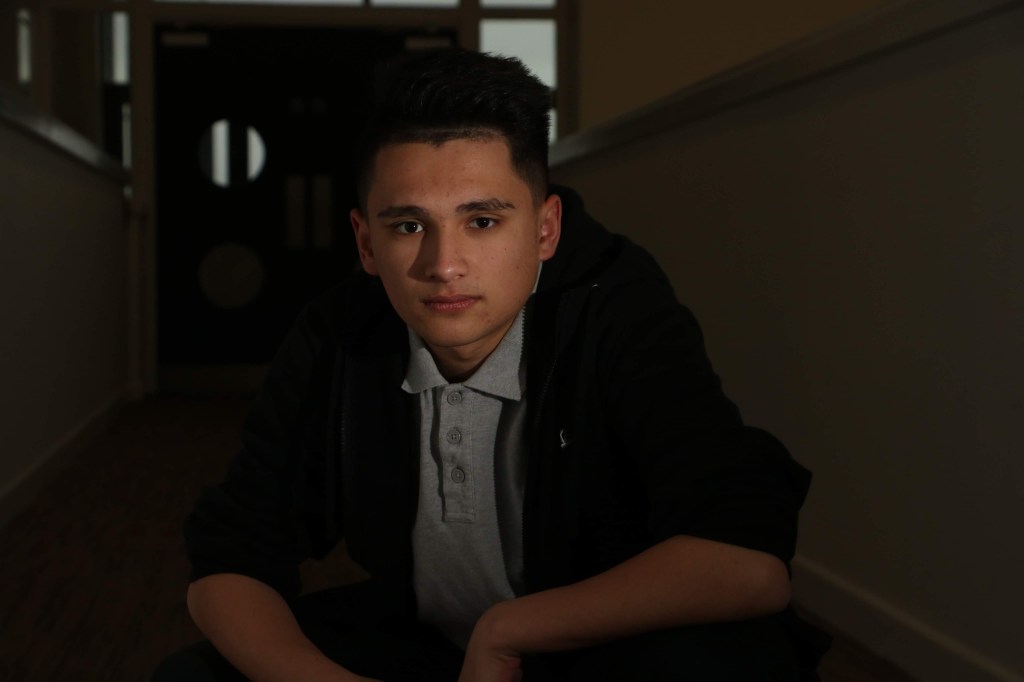
To create these images, we were told to hold the flash gun towards the subject from an angle. This meant that when the shutter was clicked, the flashgun would go off and shine on the subject from the side. By doing this, it gave us portrait images where half of the subject is lit, and the other half is dark. I really like these images as they are really simple and effective. This technique of taking portrait images is so much more creative than taking regular portrait shots and it also allows offers more chances of experimentation. I will certainly take these types of portraits again, not just for work but also in my spare time, as I would like to improve on what I have already taken.
Technical Processes:
- Panning
Panning is a photography technique where you combine a slow shutter speed with camera motion to create a sense of speed around a moving object. Panning is a way to keep your subject in focus while blurring your background. To create this effect, you pick a moving subject and follow their movement horizontally whilst hitting down the shutter on the camera. The skill of panning is very advanced and requires a lot of practice to get the right shot. Below is an example of a panning shot.

I really like this type of shot as it creates a sense of speed and motion in the image. I would really like to create something similar to the photograph above, but I know a lot of practice is needed before I can capture the perfect shot.
Since being at university I have tried replicating a panning shot and I have had mixed success. The photos I have taken do show a lot of the conventions found in panning shots but are still not perfect and need a bit of work. I feel with a bit more practice and help from my lectures, I will be able to consistently take panning shots when watching sport. I will certainly continue to practice these shots in the coming future as they will be a great asset to my portfolio, which I want it to fill up with my best shots during my time at university.
Cardiff Bay Photography Session:
To help with our portfolio work, we were given a photography session down in Cardiff Bay therefore we could experiment taking different and real photographs. The aim of the session was to improve our understanding and skills using a camera in the real world.
We started the day early on and were tasked to take photographs using certain settings on aperture, shutter speed and ISO. This was done therefore we could get a range of shots. We were also instructed to be creative with our shots as they could go towards our portfolios. We were sent out for a few hours taking photographs before feeding back to our lecturer later on in the day. I struggled massively initially when taking photos as my camera was not working. There was an issue with the lens meaning every shot I took was overexposed and just looked white. I was hugely disappointed as I wanted to improve my skills however I couldn’t for most of the time as my camera did not work. Fortunately, later on in the day, I managed to fix my camera in the end allowing me to take the photographs I needed. The photos I took were not great however as I did not have much time.
Looking back on the task, I found it a great opportunity however I was limited because my camera did not work for majority of the time. It was great to get out in the world and take photographs as this was a good insight into being a journalist. We also could understand how to use the camera as well as develop our knowledge of the settings. Despite my camera not working, I am glad for the experience as it made me think on my feet and discover how to fix the camera. These types of situations happen in the really world so it was good to experience early in my career therefore if this happens again, I will know what to do.
In the future, I plan to go back out into the real world and practice further as I want to improve my photography skills. By doing this, not only will my skills be improved but also my confidence which I think is improving day by day since joining the course.
White Water Rafting Photography
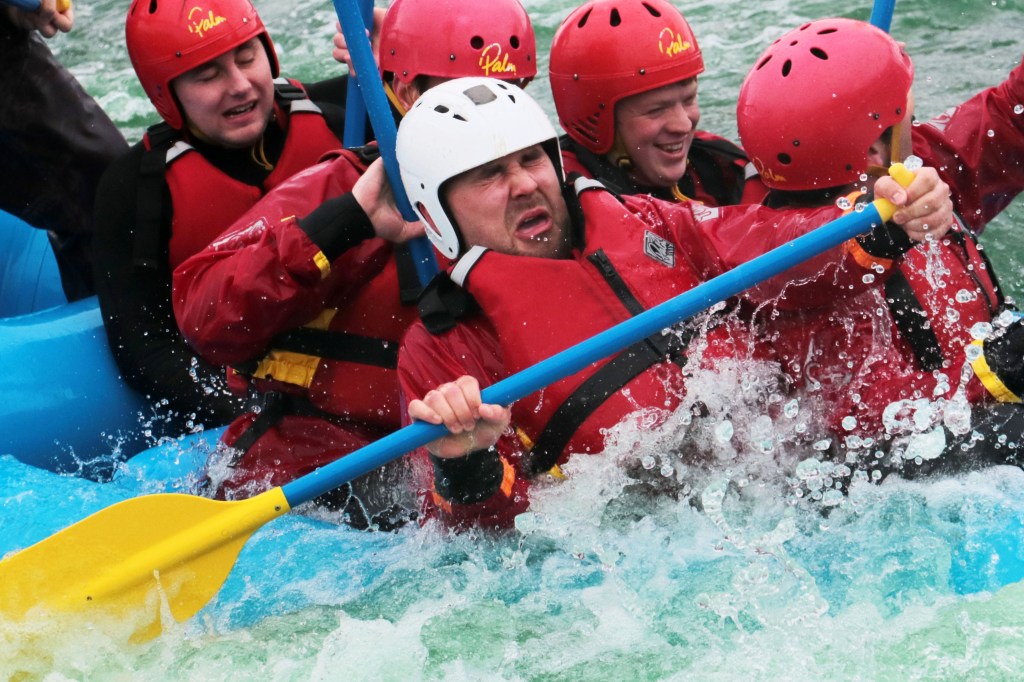
As I wanted to more photos for my portfolio, I decided it would be a good idea to go down to Cardiff Bay and experience the white water rafting that occurs there. Whilst I was there, I wanted to learn more about camera settings as well as get enough images for a five-picture story. Below are some of the images I took during the day.
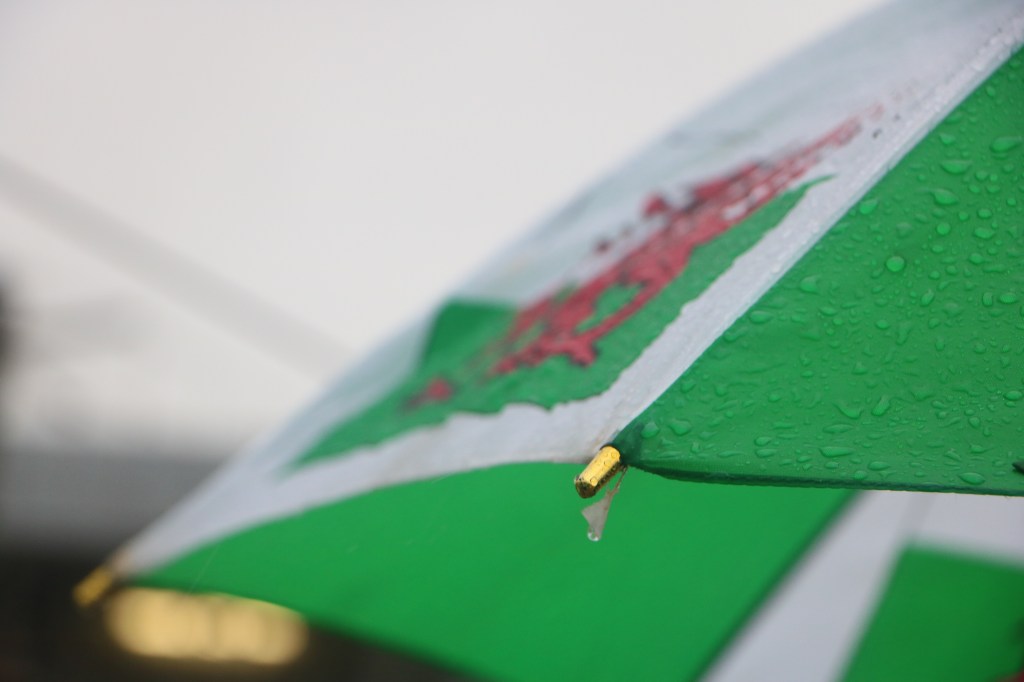
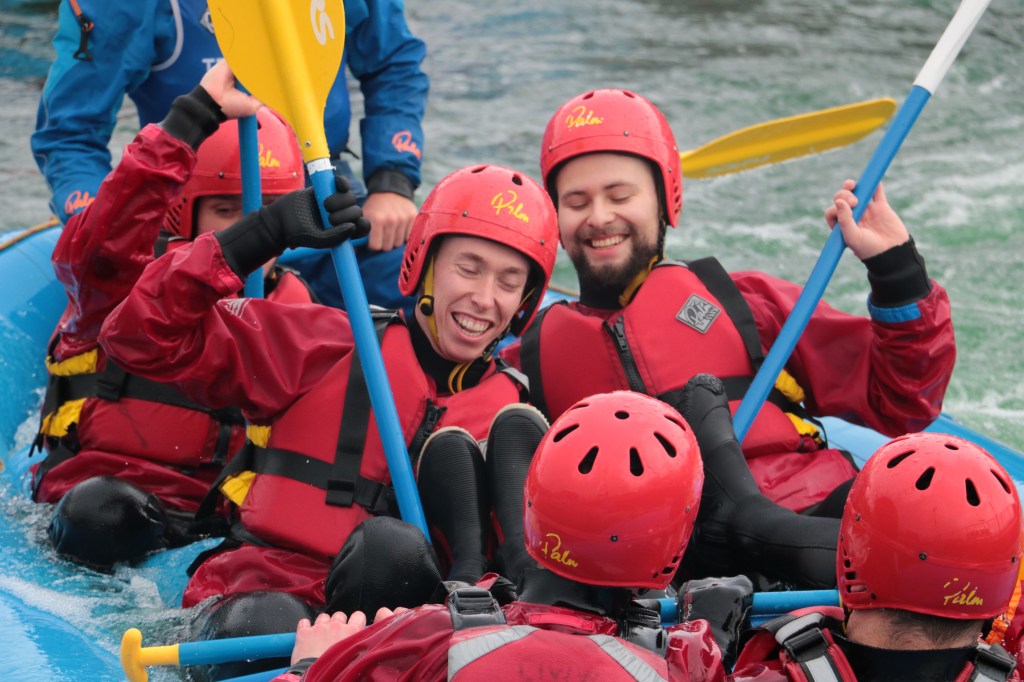
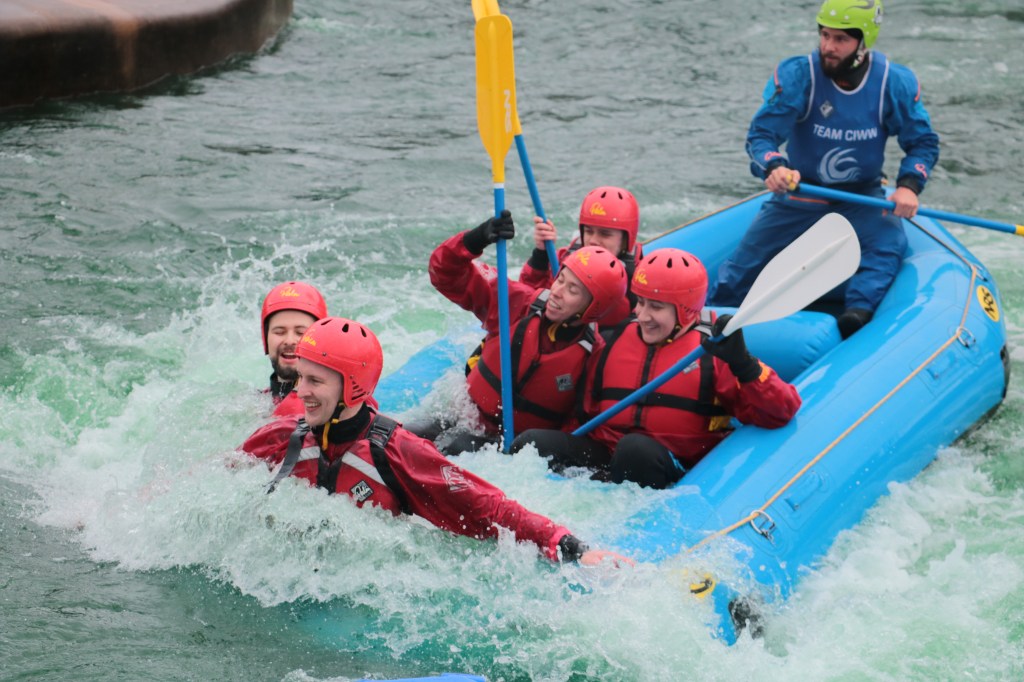
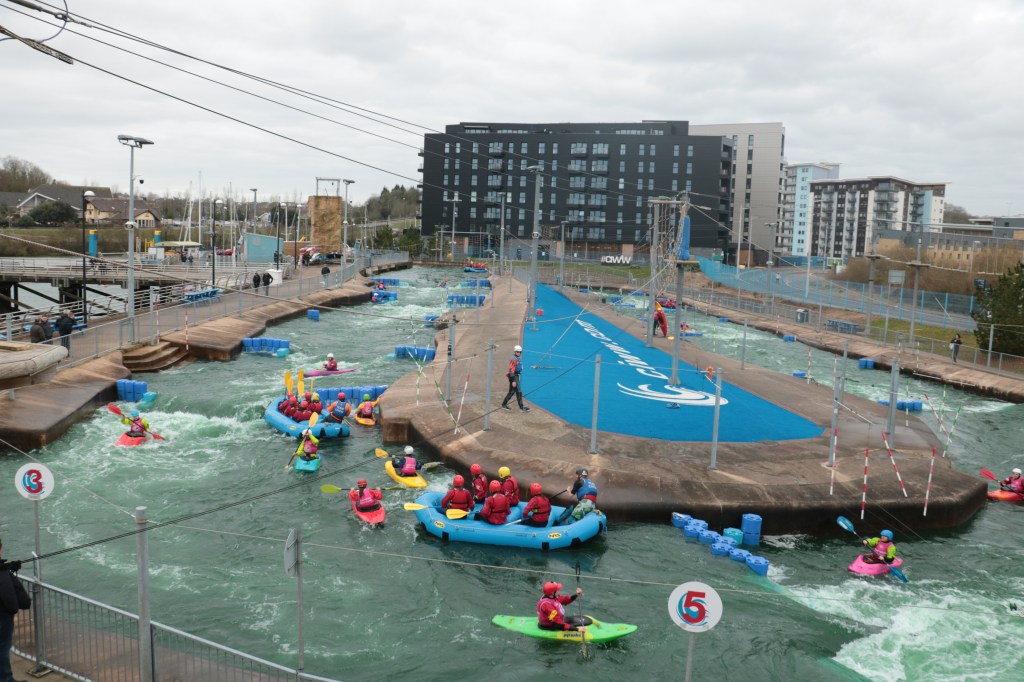
When I got there, it began to heavy rain which was initially a problem but then my lecturer told me how the rain could be a huge benefit to me and my photography. Another piece of advice my lecture gave to me was to simply stay in one position for some time and wait for the action instead of adventuring around to find things to photograph. Initially I did not understand however, I eventually realised as my photos started to look better throughout the day. When in one position, you have time to access the action, decide on what type of photograph you want and prepare to capture the perfect image. Sometimes it was a drag as you had to wait for the action however it was worth it in the end as I managed to capture some good images.
Throughout the day I also experimented using different camera settings as it helped me get a variety of photos and as well improve my knowledge with the camera itself. Adjusting the shutter speed was the setting I used the most throughout the day as I could get photos that were sharp but also photos that showed fast movement/slow motion. I thought it was important to get a mixture of these photos as I wanted a good amount in my portfolio. I also adjusted the aperture when using the camera as I could experiment with depth of field. The close-up images I took certainly showed the depth of field and I find these very artistic.
Overall, I think the trip was a success as I managed to capture an array of photos. Some of these photos will certainly help towards my portfolio and hopefully pass as my 5-picture story. I feel I will return to the white water rafting again as I feel I can gather more photos and improve on what I have.
Photography Practitioners Research:
There are many photographers out in the world who have inspired me and how I complete my work. Before I take on a task, I always look at other people’s work to see what I can replicate but also to think what I can do different to make my images stand out. Below are some photographers who appeal to me and have had a big influence on my current work at university and previous work at school and college.
- Mark Pain
Mark Pain is a multi-award-winning sport photographer who has over 25 years of experience and international recognition. Pain has taken images of the biggest sporting events in the world including the Olympics and the World Cup tournaments.

This is photo taken by Pain and it shows the Brazilian national team and the Croatian national team standing together before their match up in the 2014 FIFA World Cup. I really like this photograph as to me it is more than just a photograph. This image symbolises the respect between both nations and it unites everyone, together whatever race, gender, sexuality, ability etc. in the spirit of football. In the image, doves are shown, and this resembles peace and connotes peace between the 2 nations and the world watching. Some may not notice but this is really clever by Pain as he has waited perfectly for his shot. Pain has waited for the right shot, by including the doves and by waiting for this, he has added a whole new layer and meaning to the photograph. This photograph is also taken from a high angle which makes it an establishing shot allowing the viewers to set the scene. Just from this example, I have learnt a lot from Pain and his techniques in taking a photo. The most important things I will take away, is to stay patient, wait and think about the shot I am taking. By doing these three things, a simple photograph can be made into a great photograph.

This is another image taken by Mark Pain. This image shows Tottenham Hotspur and England striker, Harry Kane scoring a winner for England in the 94th minute of a match against Slovenia. This photo shows passion, joy and togetherness as England qualified for the World Cup in 2018. The photo of Kane symbolises as England’s hero and talisman that will take the England national team far in the World Cup. Pain has shot this at a low angle, and this creates connotations of power which is represented through Kane and the England team. In this photograph, Pain has included the fans by using a shallow depth of field. This means the background of the fans is blurred out, with only the subjects in the foreground being focus. Pain has been very clever as the shallow depth of field has allowed the Kane to be the main focus of the image. As well as that, the fact Pain has included the fans in the background suggests that they are the ’12th’ man going into the World Cup and they will be behind the England players all the way through the tournament giving them support and hope. As with the last example, this photograph has taught me a lot about Pain, and it will certainly influence me in my future work. A simple photograph of players celebrating a goal in a football match can be transformed easily by just changing the angle of the shot. Whenever I am next at the sports park, I will certainly try and get into positions where I will be able to take photos of players celebrating as it will help me build up my portfolio and offer something different compared to a regular action shot.
- Bob Martin
Bob Martin is another multi-award winning photographer who specialises in sports. Like Mark Pain, Martin has taken photographs at the biggest sporting events in the world, including the Olympics, during his 30-year career. In 2017 Martin was awarded “Sports Photojournalist of the Year” In the NPPA Best of Photojournalism Awards in the USA (Bob Martin Photography, no date). Martin’s work has inspired me in the way I take my own photographs.

This is an image taken by Martin of a ski jumper in action. I really like this image as Martin has made the ski jumper as the only subject in full focus. The background shows the crowd, but Martin has specifically made them blurred out therefore the ski jumper is the main focus of the image. The fact the background is blurred out makes the image very artistic as it looks like an oil painting with an array of colour. This simple effect adds an extra layer to the image making it stand out. Along with this, Martin has used a high shutter speed therefore the subject is sharp and not blurred during action. I really like this technique as it freezes the action in a single moment, and I find that fascinating. Both techniques used in this image, as well as many others, I will consider whenever I go out and take photographs. They are simple to recreate and interesting to experiment with.

This is a portrait shot taken by Bob Martin showing former Chelsea footballer Didier Drogba. This is a simple portrait image however Martin has used many techniques which may go unnoticed to many. The main technique Martin has used when taking the portrait is the use of a key light/flashgun. Martin has placed the key light/flashgun to the side of the subject making the light shine on that particular side of the subject. By doing this, it creates a line down the centre of the subject diving the darker side of the subject to the side that is lit up. Another technique, Martin has done is by putting Drogba in the third of the frame. Martin has avoided putting Drogba in the centre of the image as it does not flow as well for the viewer. It is a common convention in photography that a subject should be set up on the third as the viewer finds it easier to look at as it flows. Finally, another technique Martin has done is to make the subject wear his boots around his neck. This may seem nothing to many but by making Drogba do this for the image has completely changed it and adds an extra layer. The main thing to take away from this is when taking portraits, you should experiment with different props as it can help improve a photograph massively.
Overall from Martin’s work, the has used an array of techniques which I will certainly experiment with when taking my own photographs. I feel in the photographs I have taken I have used some his techniques however I still want to practice further and see if I can do anything different to make my photographs unique.
Self-Isolating Portrait Images:
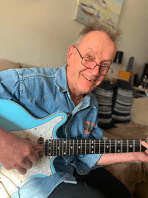
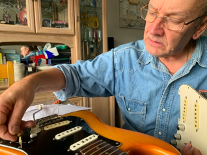
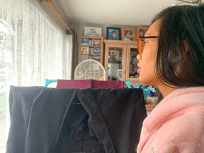
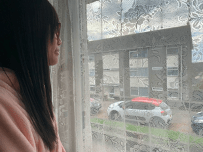
After the news that the UK was going into lockdown following the outbreak of COVID-19, the brief of my photography module had to be changed in some ways. One of the assessments that had to be changed was the 6 portrait images of sports people. This had to change in a way where we had to take portrait images, using our phones, with the people we were living with whilst in isolation. We had to create a story with our portraits but also had to experiment with different techniques if we had the resources available. Below are some of the images (not final images) I took.
Overall, I feel I have some decent portrait images however I did struggle sometimes as I felt I was limited with just a phone. Instead of a professional camera and a flashgun, I only had my iPhone, which in fairness has a very good camera, but it did not have the qualities I would have liked. A positive from this is I got good practice in taking images using my smartphone. As a journalist you have to have good skills using your smartphone, so I am grateful for this exercise. I will definitely practice again using my iPhone as I would like to improve in what I do.
5 Picture Story:
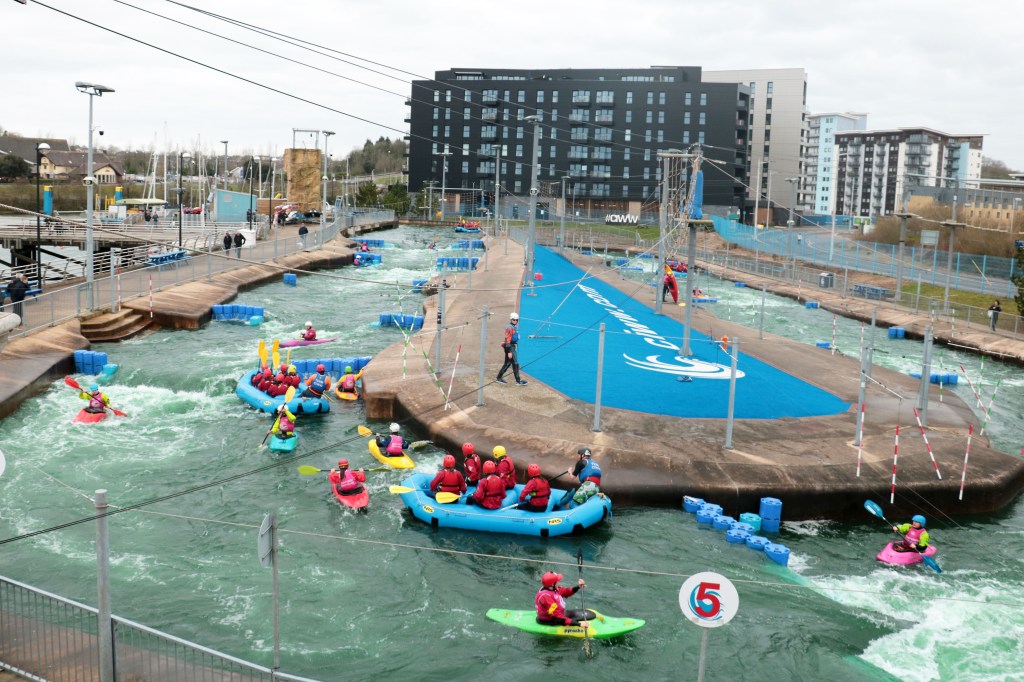
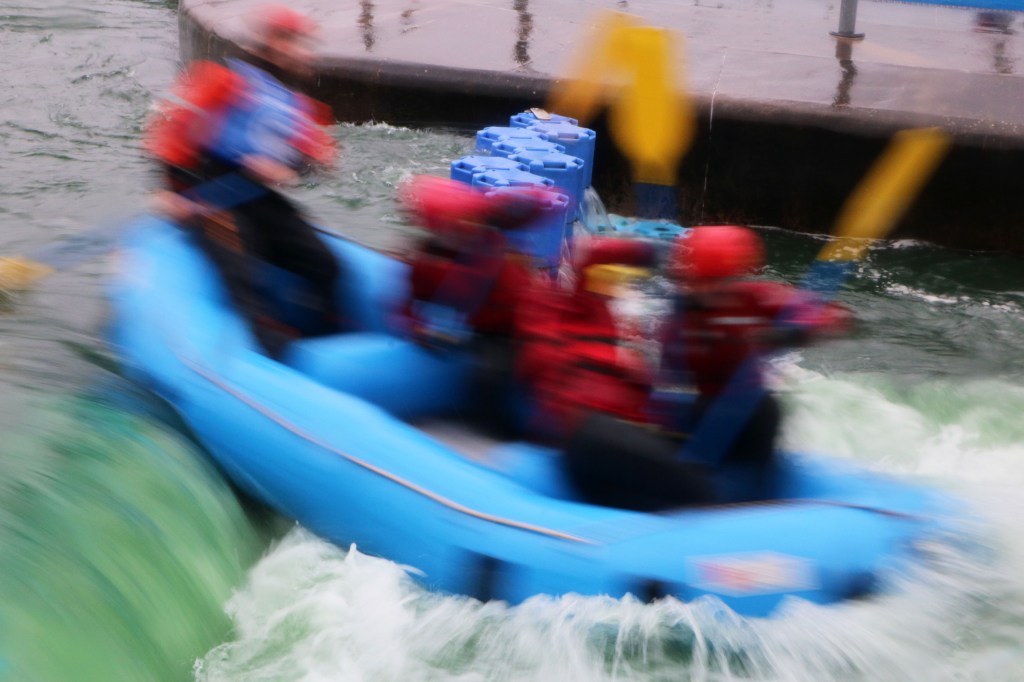
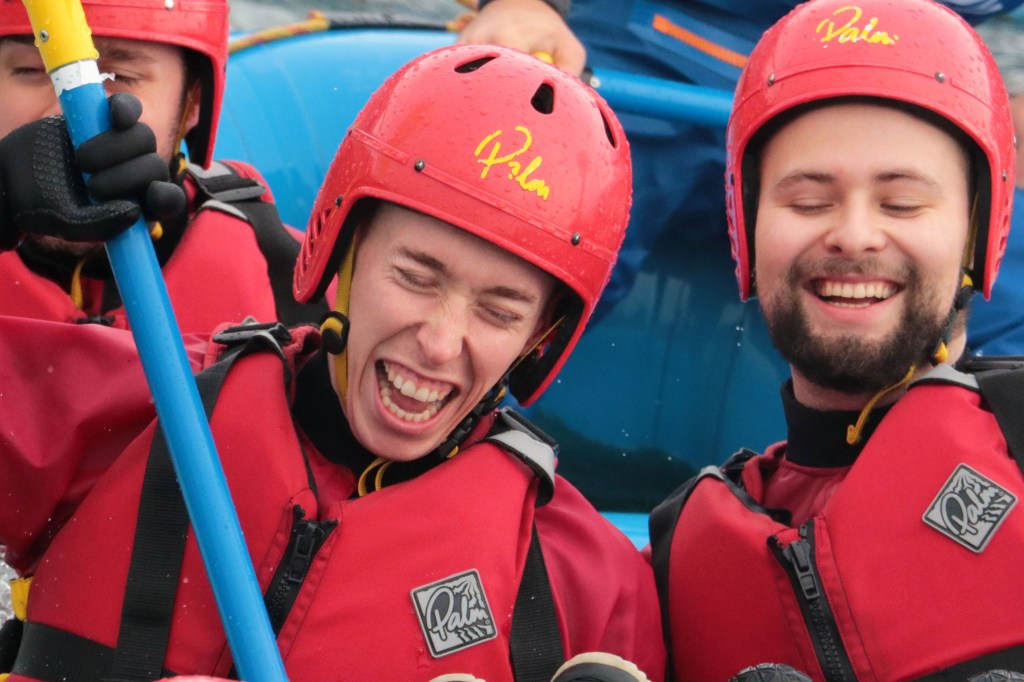
After weeks of practising at the sport park, I finally managed to gather the photogrpahs to use for my five picture story. I took all these images at the White Water Rafting centre in Cardiff Bay. Below are my final five set of images.
Establishing Shot:
Action Shot:
Close Up:
Medium Shot:
Portrait Shot:
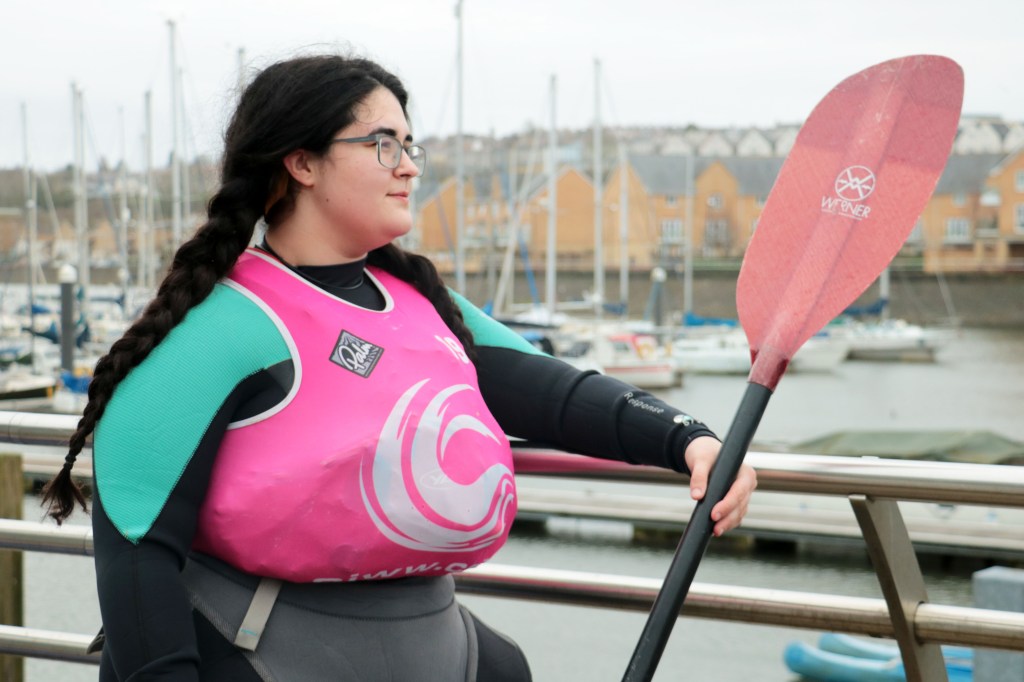
My five picture story revolves round a group of young students, from Warwick University, that came down to the white water rafting centre in Cardiff. The reason the students came down was to practice being on the wild water as they were soon going abroad on a river trip. My portrait image shows the one of the students, called Lara Hogan, and she was the organiser of thee whole trip.
Overall, I am really happy with my photographs as I found it hard initally to grasp the idea of a five picture story. I feel the photogpahy sessions at the water centre was really important for myself as it helped my progress and developed my undertsanding using a camera.
One aspect of camera setttings I began to understand more clearly after attening the sessions was the ISO and how useful it can be. When taking photos, I would continuingly adjust the shutterspeed and aperture and sometimes this would make the photogrpah come out really dark and this is not what I wanted. I was really confused on why this was happeing but after speaking about it to my lecturer, he told me how ajusting the ISO could help and make my photos lighter, whilst keeping my shutterspeed and aperture on the settings I want. My lecturer also advised me to not to set my ISO on Auto as this does not always work.
Another aspect I learned during the sessions, was how to take slow motion photographs that showed action. I learned the best policy to take these images was to place my camera on a surface, keep it in the same position and wait for the action come to me. By doing this, when taking the photograph, everything apart from subject will be in focus creating a slow motion type effect. This effect can be seen in my action shot as part of my five picture story.
As mention, I feel without these photogrpahy session I still would not have grasped the idea of a five icture story. Initally, I would just take photographs of everything and not really think what I am taking, however now I know to look for and try to be creative with every shot I take. My five picture story is just the start of what I can do, and I will take my expeirence and knowledge right now into the future when I am certain to take more photographs.
10 Images:
These are the final 10 photographs I will be using more portfolio assessment. I took them at the sport park and the water centre.
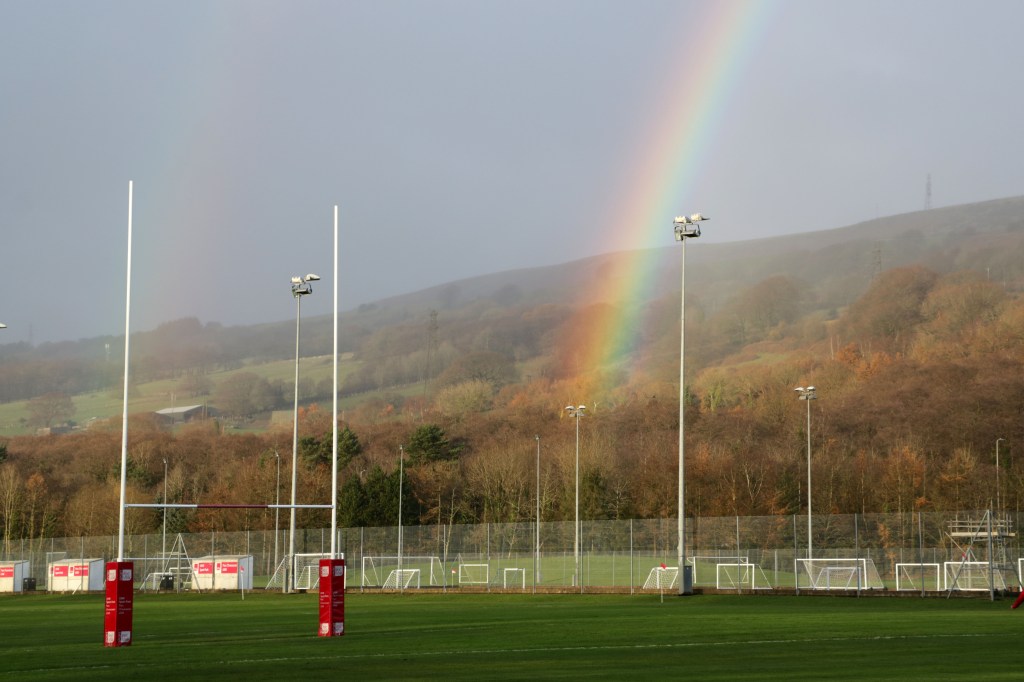
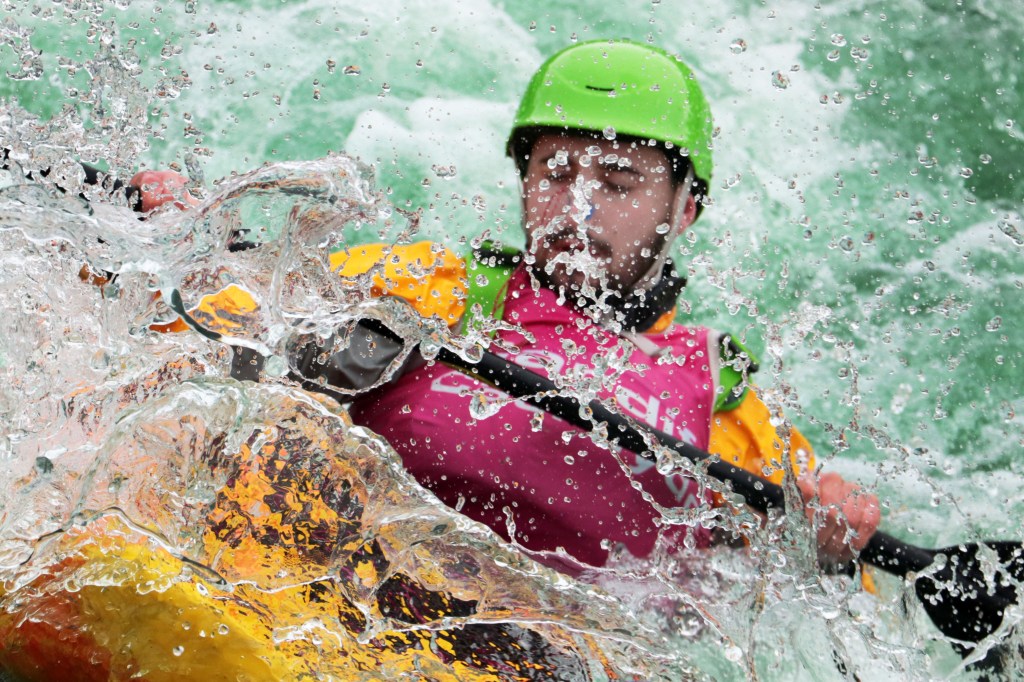
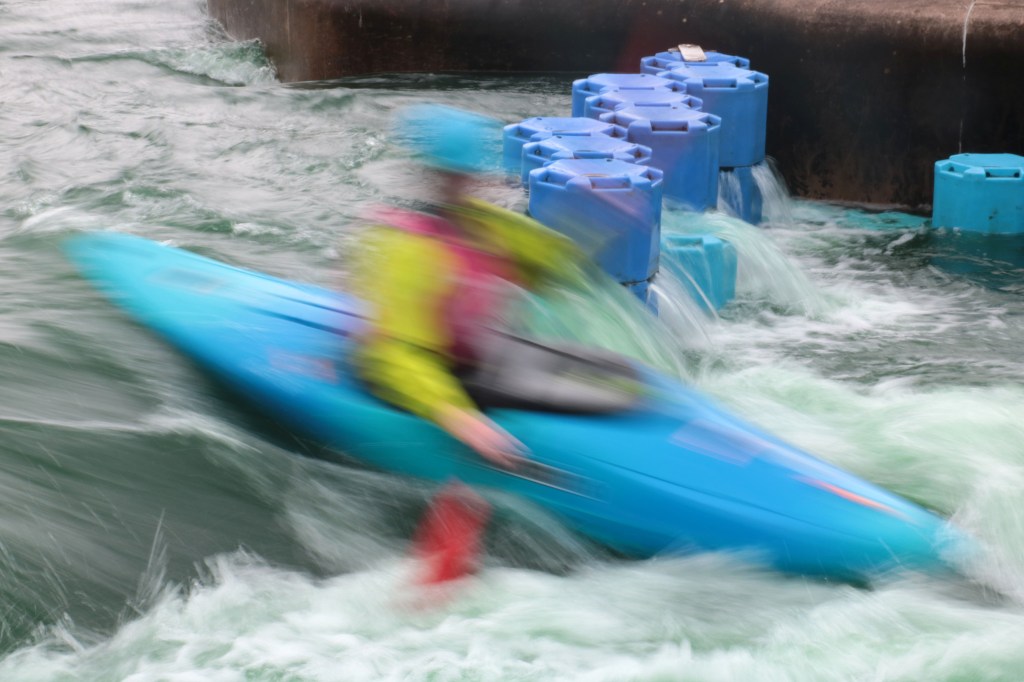
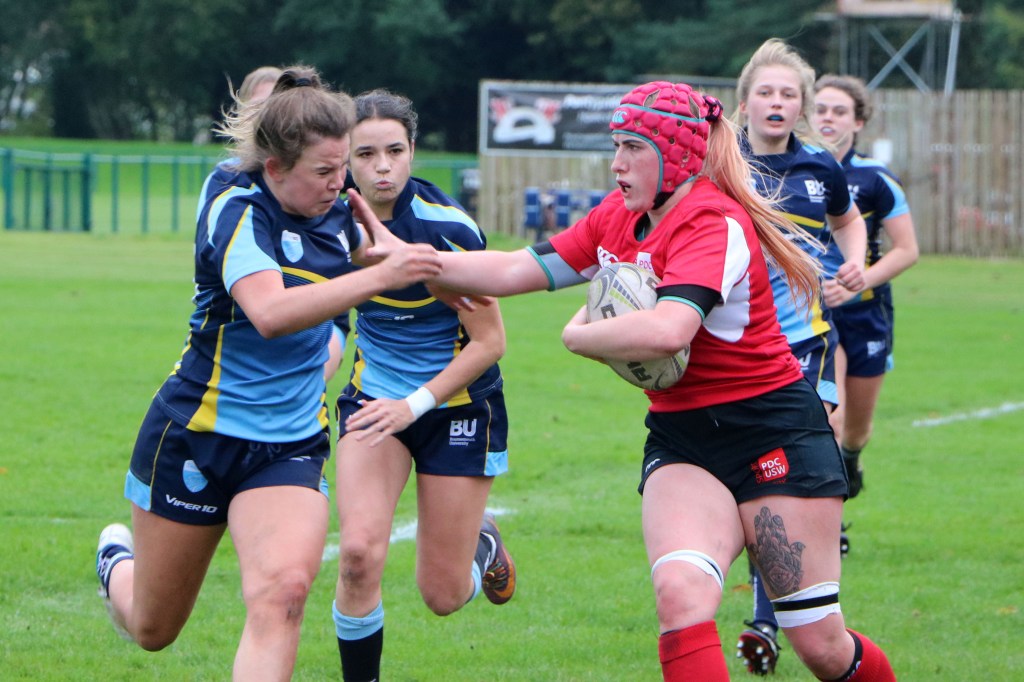
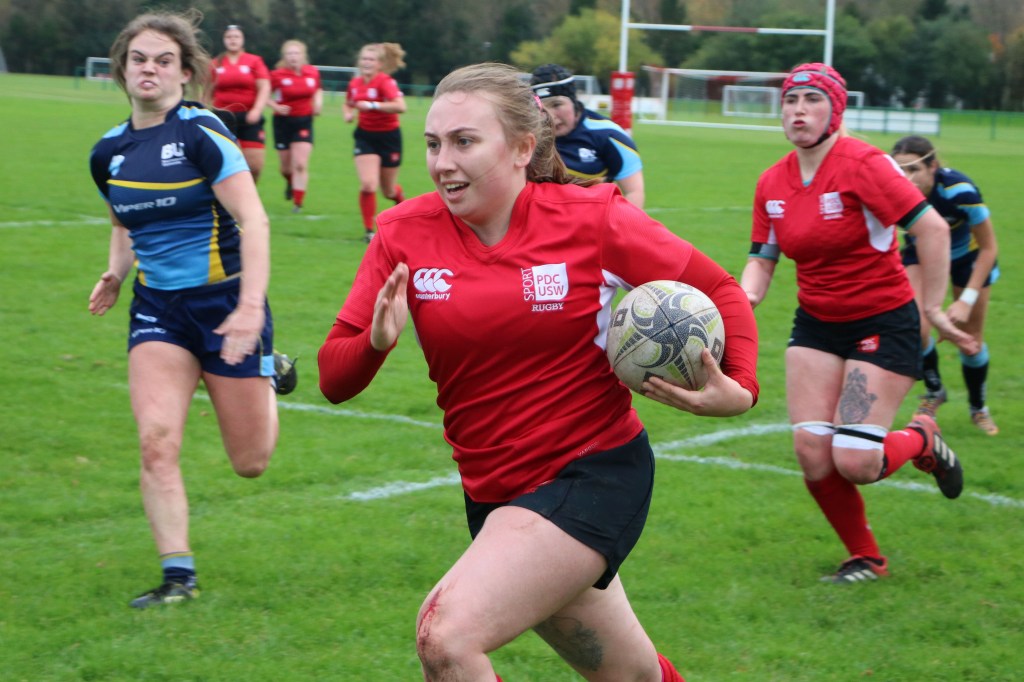
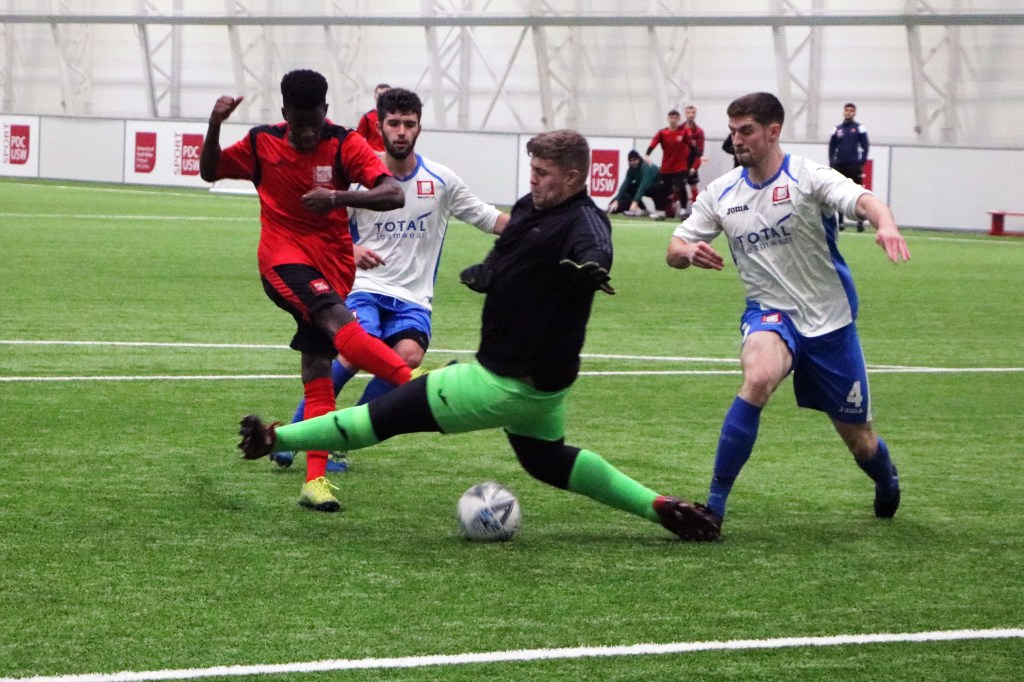
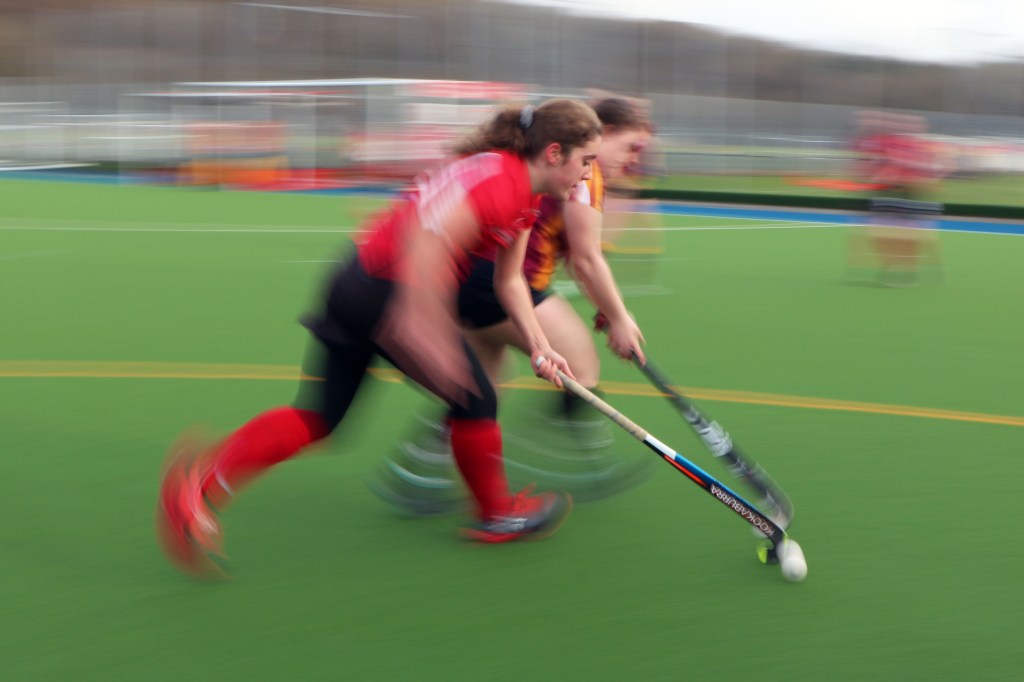
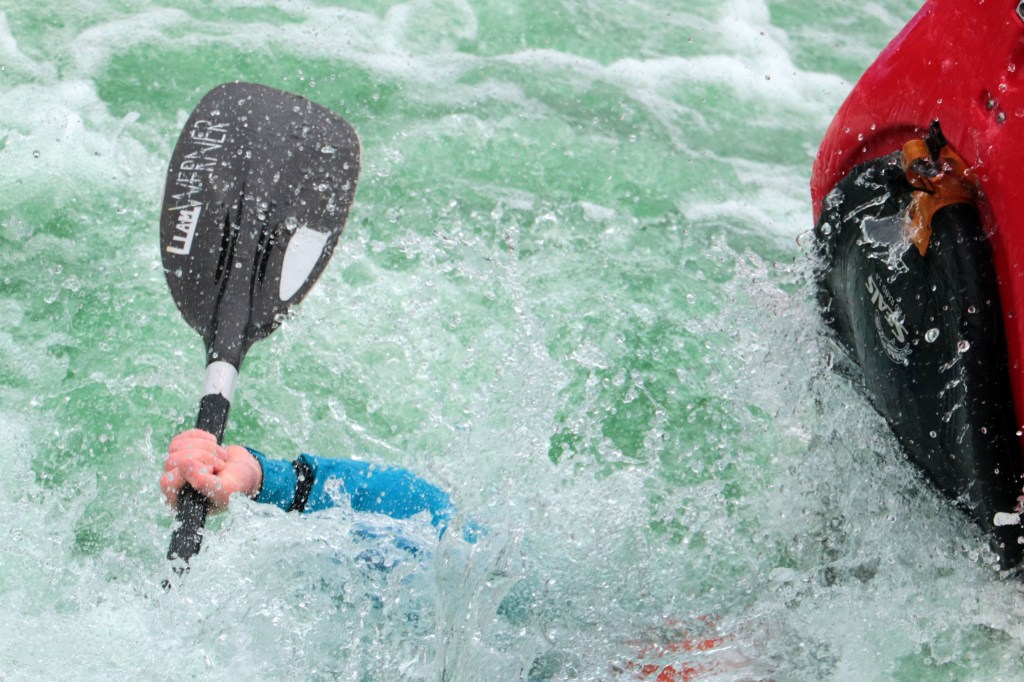
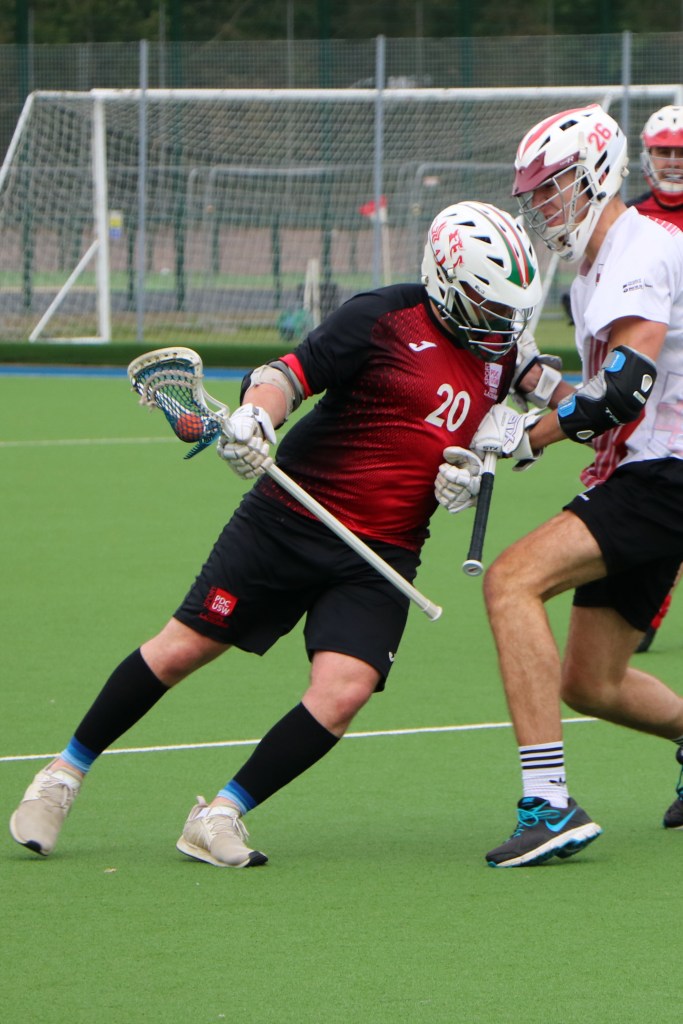
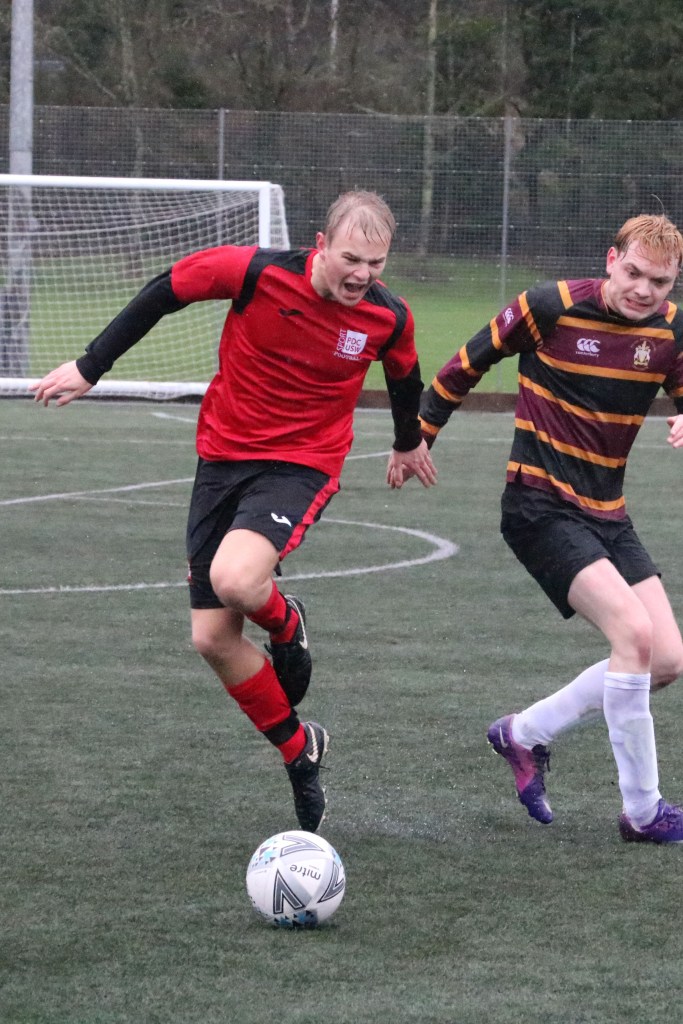
Overall, I am very pleased with the selection of photographs I have. I feel I could have included more images however these are my chosen pictures for my portfolio assessment. I have a range of sports in my photographs, so I feel I have a lot to get me a good mark in the assessment. Since starting the course in September, my photography skills have gained significantly, and I now know what makes a good photo.
An important skill when taking sport photographs that I have learned during the first year is to make sure faces can be seen. If an image does not have any faces or does not show any emotion, it should be binned straight away as this does not tell a story. Photography is not simply taking photographs; it is about capturing the emotion and story of the moment. Without this, images are boring and are usually disregarded very quickly. I really feel in my ten images, I have a range of emotions and stories contained in them and this is what makes them very eye catching.
For the future, I am looking to improve further in the quality of my photographs and the consistency of them. Photographs are a huge part of sports journalism so I if I can improve with the skills I already have, then I can stand out from the rest when I look to break into the industry.
6 Portraits:
As the brief for the six portrait images has changed due to the COVID-19 situation, I do not (yet) have a final set of images. Below are the initial images I would have used for my assessment as well as some of the practice shots that I have taken in the style of the new brief.
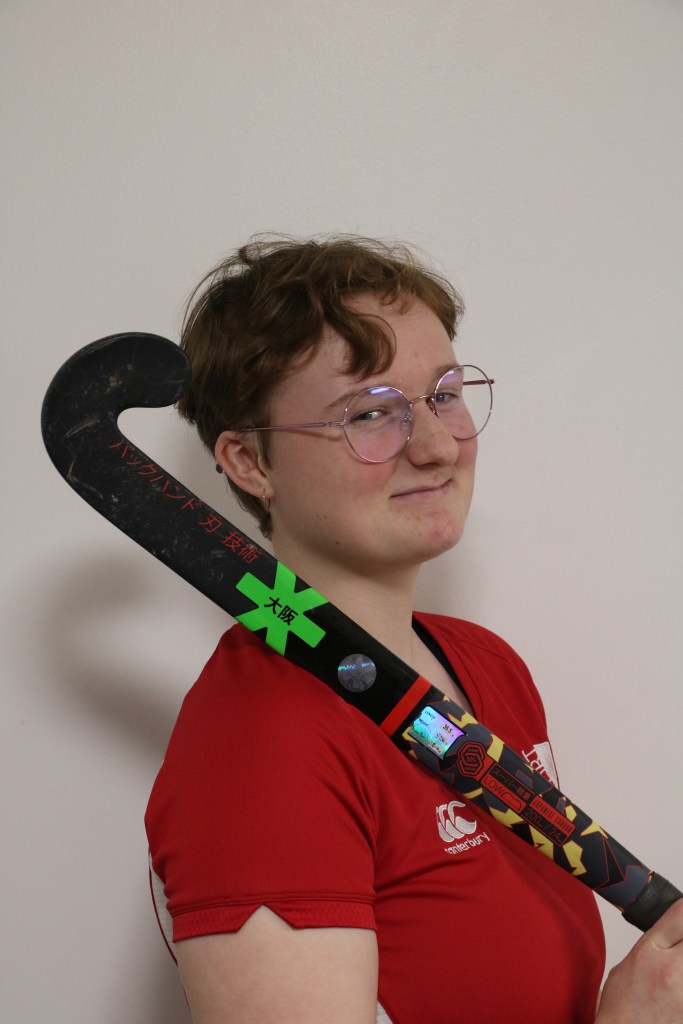
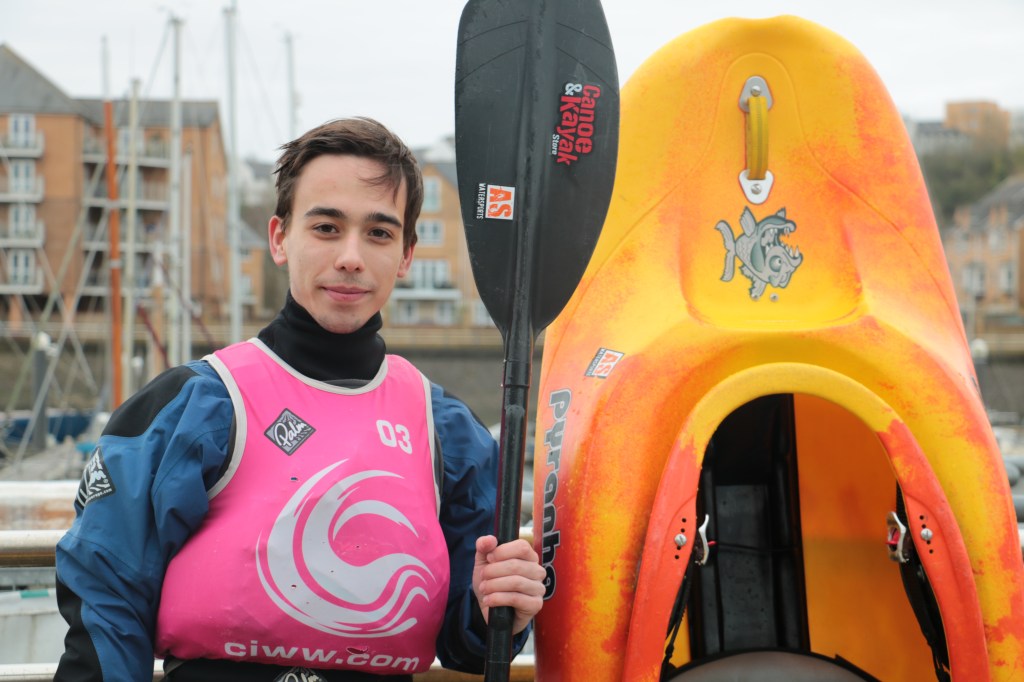
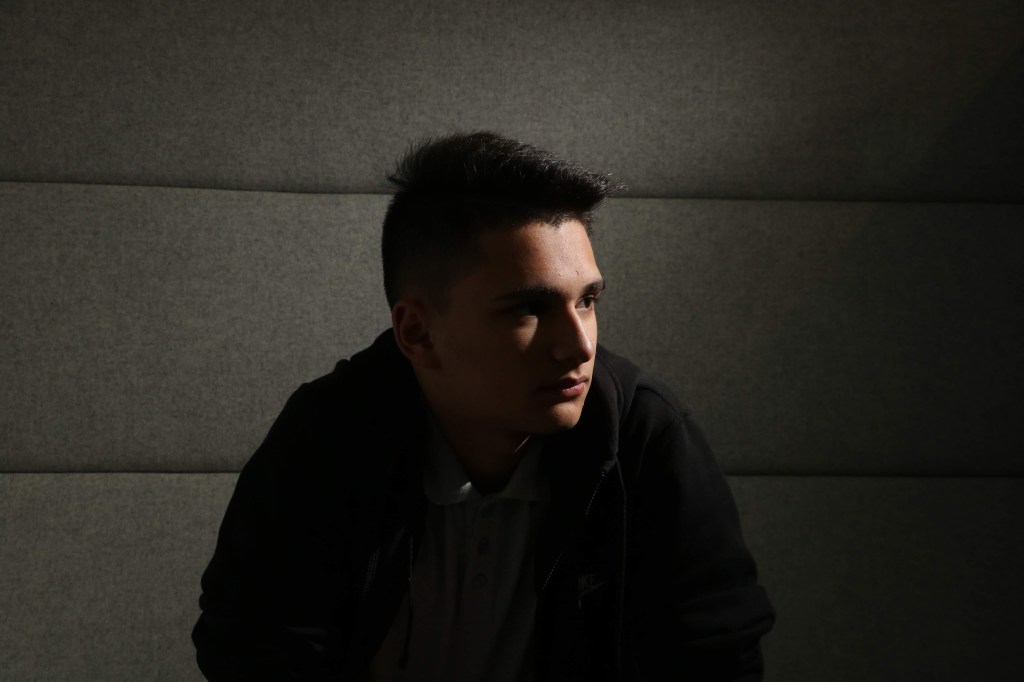
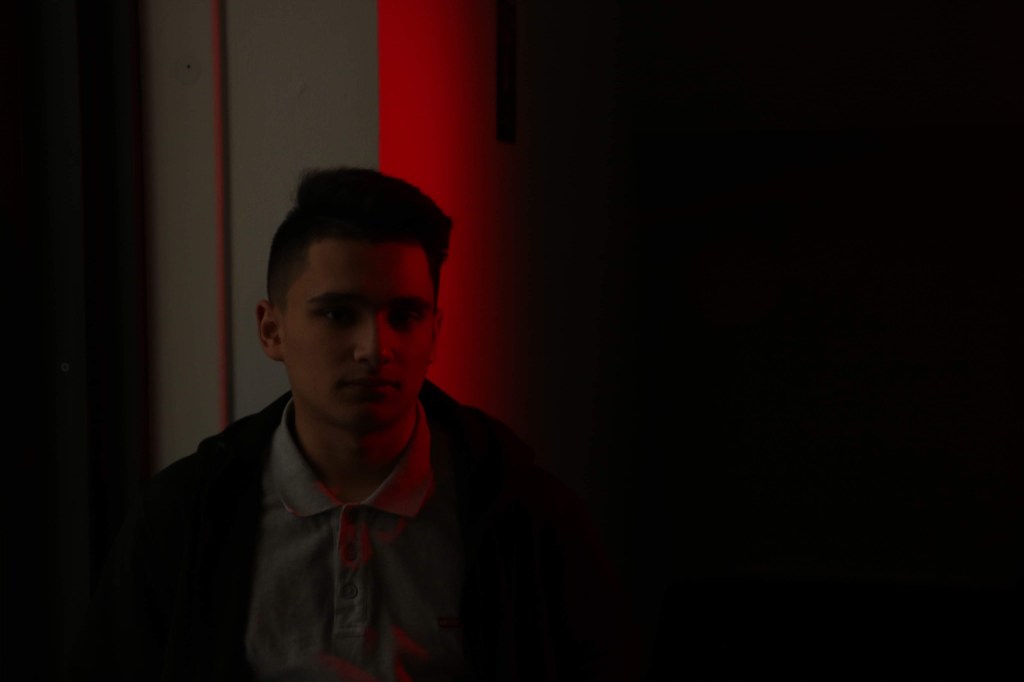

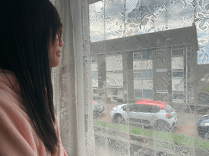
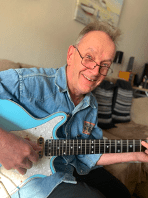
Overall, I feel okay about the portrait images I have. I am not completely happy with them as I feel I could do better, but with the sudden pandemic, it has altered my progress. I also feel at university, there was not enough times to practice and take portrait images with there being only a couple of sessions on it. There are some portrait images that I am really pleased about however, especially the ones I took whist using a flashgun. The flashgun workshop was very useful and fun, and I feel my best portrait images came out of that session. I will certainly use flashguns again and try experimenting more with different flashguns.
Looking forward, with the brief changed, I will spend some time practicing portrait images on my phone. At this stage I have found it difficult creating a very eye catching image, like on a camera, however I feel with time and practice, I will eventually get the photographs I want and will use for my assessment.
Further Photos:
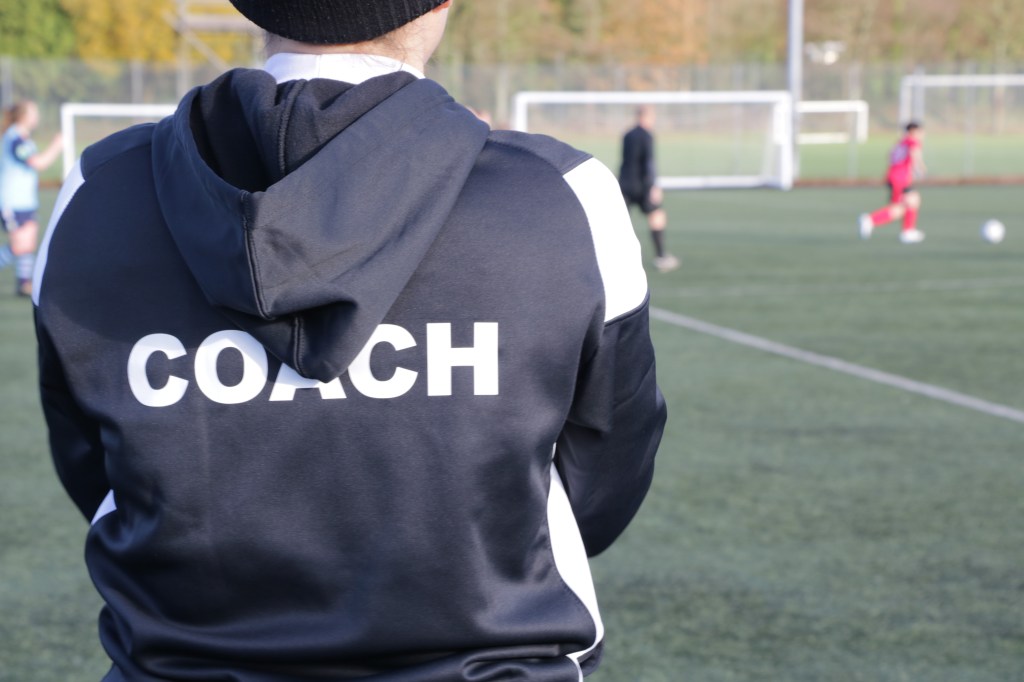
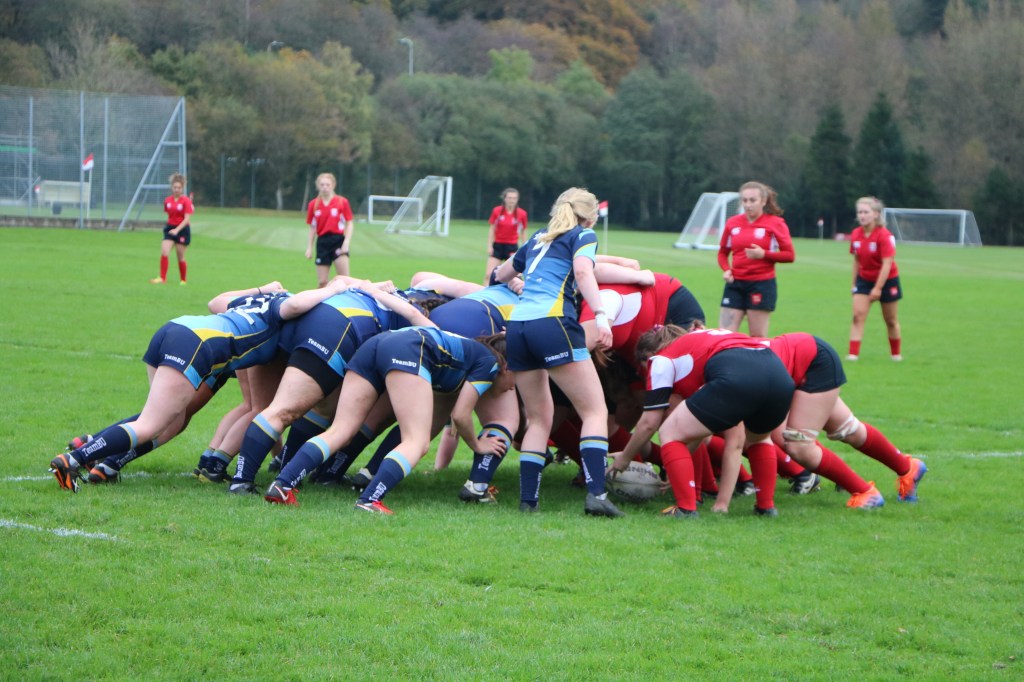
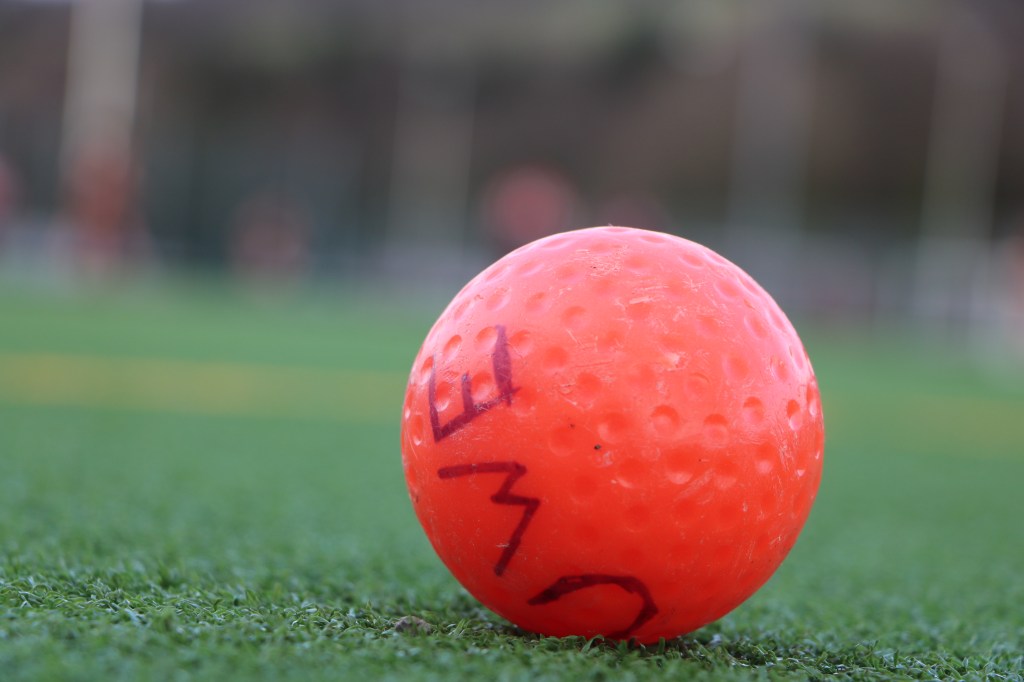
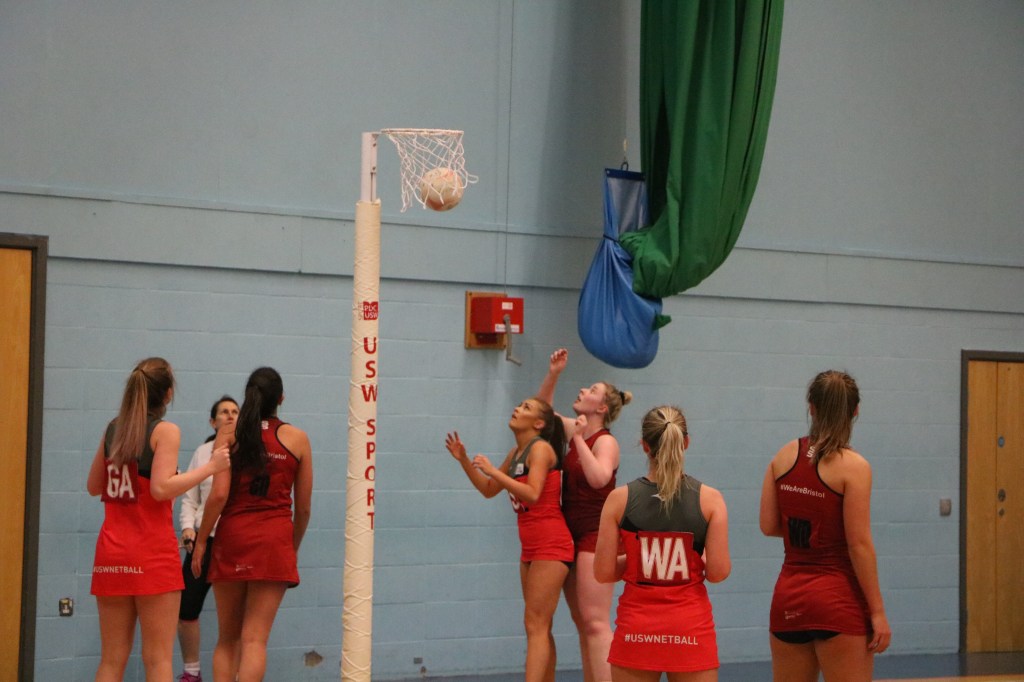
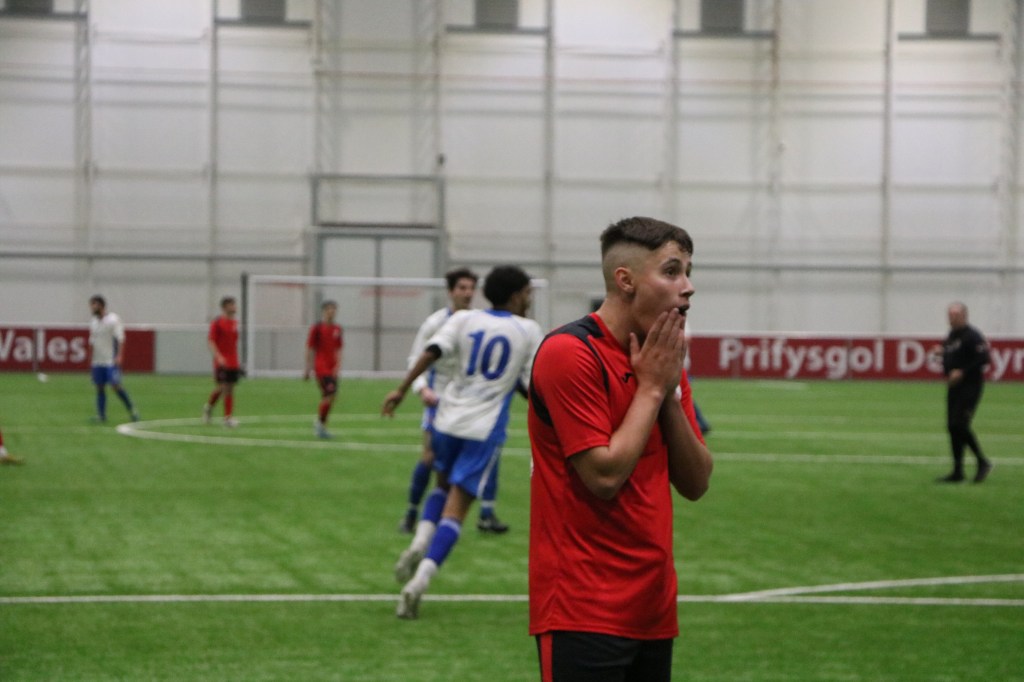
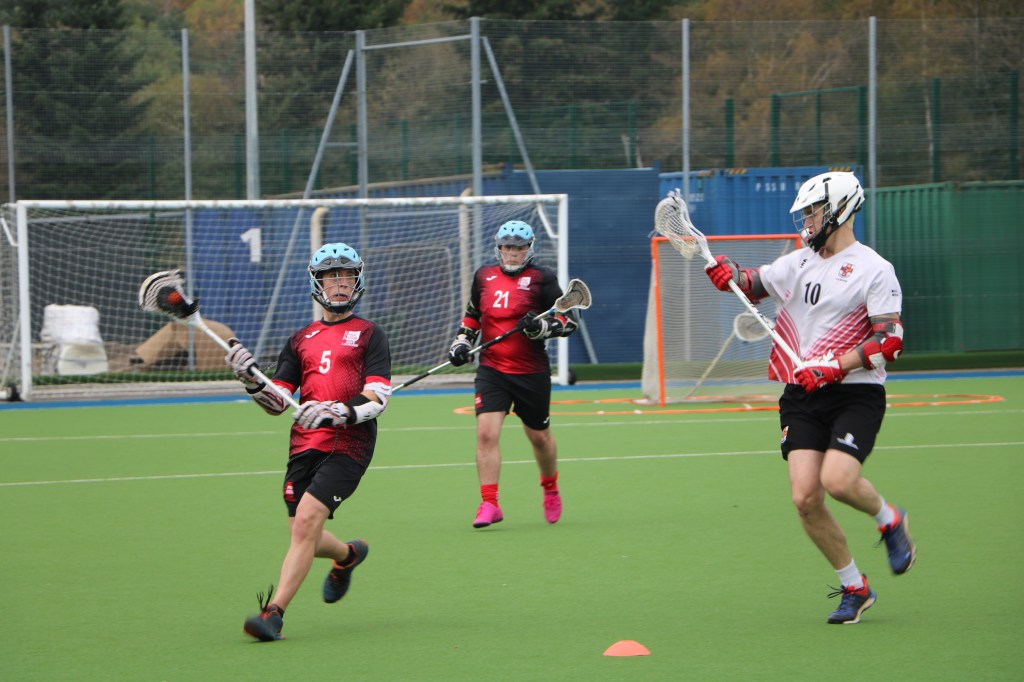
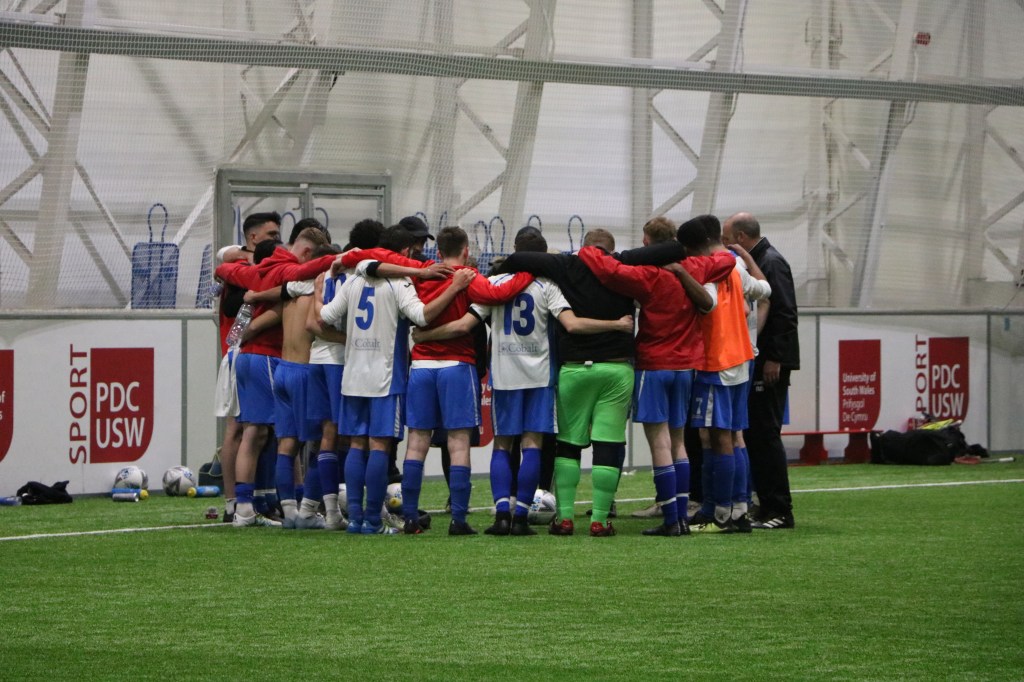
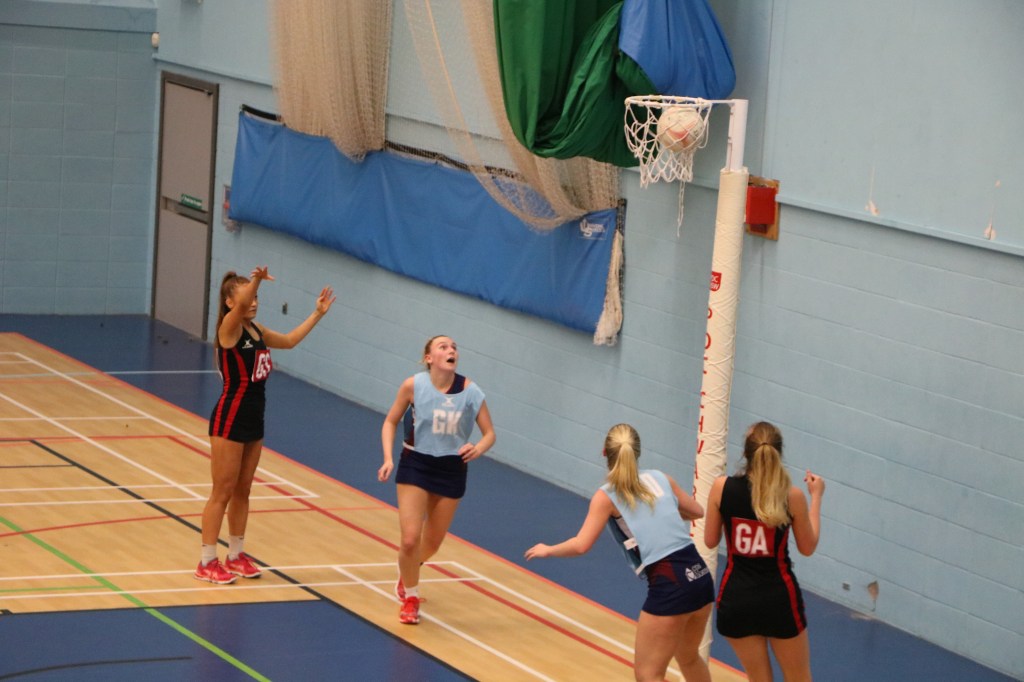
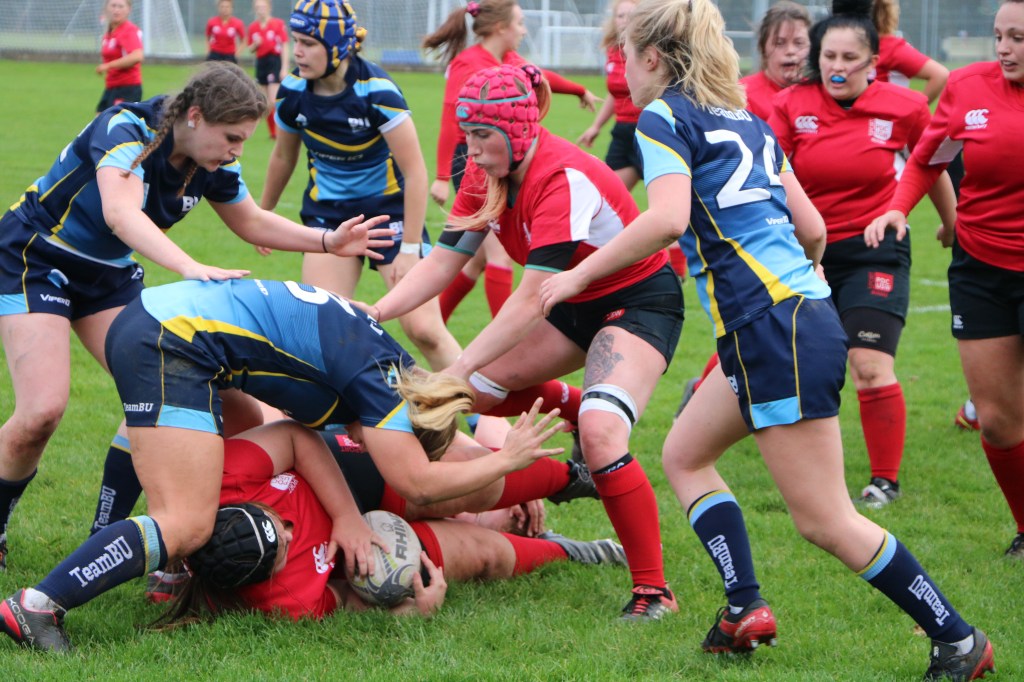
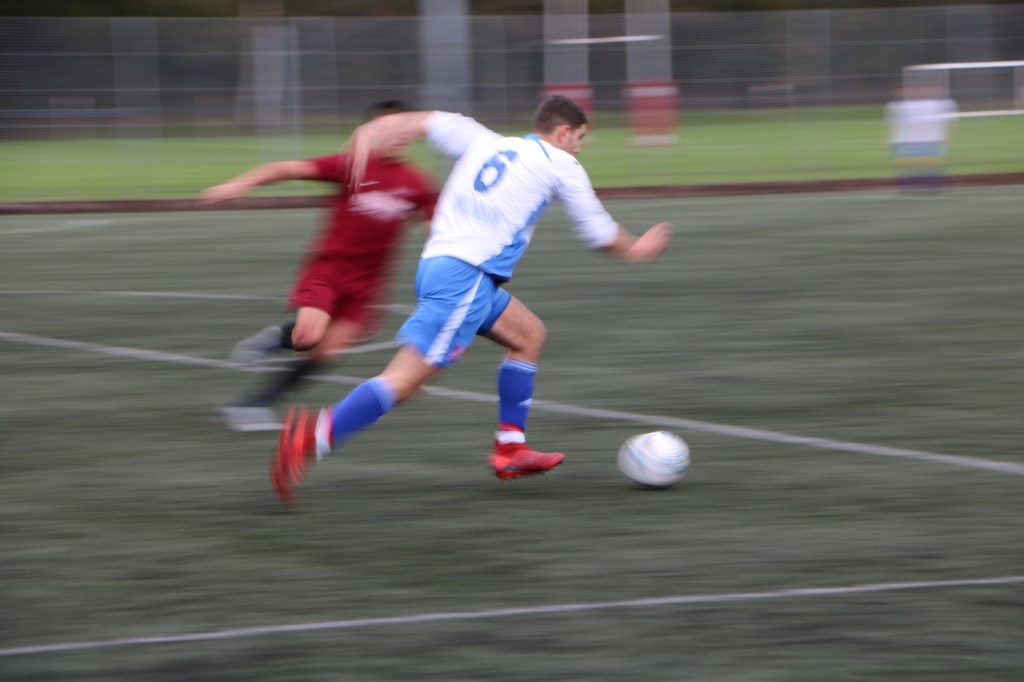
Below are more photos I have taken since September during the course:
Ambitions For The Second Year:
Due to the recent pandemic, my first year as a sports journalism student is basically over meaning I have time to reflect and see what I what I want to improve on next year. I feel my photography journey has been a rollercoaster of a ride with many ups and downs, but I am grateful for the experience. Moving onto the next year, I want to become more consistent with my work and create great pieces of work. From what I have, I am happy, but I feel it could be improved significantly so next year I will try my hardest to experiment more with a camera and take great pieces of work.
As well as this, next year I also want to fully understand most of the settings of a camera. This year I feel it has taken me a while to understand the basic settings, even with 2 years previous experience. I am unsure on why I struggled, but I am now starting to understand it more easily and by next year I feel I can learn everything I need to know. If I am able to achieve this, then I will be able to improve my photographs as well as my general confidence with photography as a subject.
Finally, in the second year I want to improve my confidence in talking to people when taking photographs. This year I have found out you occasionally have to ask people to do certain thing therefore you can capture the perfect shot. I have always been shy when asking people to do things as I think it will be a hassle for my subjects. I must reframe from this mentality or I cannot become a great photographer. In the second year, with a lot of practices and self-confidence, I believe my previous mentality will be close to gone allowing me to progress with my work. At the end of the day, everyone has to go through this, so I must follow if I want to progress into the industry.
Overall, I feel it has been a good first year as a sports journalism student. My skills have improved and that what is most important. I am really looking forward to the next year and cannot wait to see what it holds for me.
 Lee Clow Sports Reports